As an Amazon Associate, we earn from qualifying purchases. Some links on this site are affiliate links at no extra cost to you. Our recommendations are based on thorough research and editorial judgment.


What Exercises Can You Do With Fins to Improve Ankle Flexibility?

To improve ankle flexibility with fins, swimmers can engage in flutter kick drills, dolphin kick sets, and kick-only workouts. These exercises promote fluid movement, enhance propulsion, and boost muscle strength. Incorporating sprint intervals amps up explosive power, while endurance swims increase overall leg strength. Regularly measuring ankle flexion—aiming for a range of 1 to 4 inches—can track progress and prevent injuries. Want to maximize your training? There’s more to uncover about fin selection and complementary exercises!
Key Takeaways
- Flutter kick drills with fins enhance ankle mobility and flexibility, utilizing variations like straight-leg kicks for different muscle activation.
- Incorporate dolphin kick sets; engaging the core and using fins increases resistance and strengthens ankle flexibility through dynamic movement.
- Perform kick-only sets; using open-heel fins maximizes ankle flexibility while alternating kicking directions boosts mobility and strength.
- Sprint intervals with fins emphasize explosive power and dynamic ankle flexibility, enhancing propulsion for short, high-intensity bursts in swimming.
- Regularly measure ankle plantar flexion to track flexibility progress and identify any imbalances that may require attention during training.
Flutter Kick Drills for Enhanced Ankle Flexibility
Flutter kick drills serve as a fundamental cornerstone for swimmers looking to enhance their ankle flexibility. Through focused flutter kick mechanics, these drills promote essential ankle mobility techniques, helping swimmers achieve better propulsion. Utilizing fins during flutter kicks intensifies resistance, forcing the ankles into ideal plantar flexion, akin to a fish gliding through water. Variations like straight-leg kicks and bent-knee flicks activate different muscle groups, which boosts flexibility. Back flutter kicks also expose any weaknesses in ankle flexibility, making it a powerful tool for improvement. Additionally, improved ankle flexibility increases overall swimming efficiency, making these drills even more valuable. Using swim fins with a short blade design can further enhance the effectiveness of these drills by promoting faster kicks and better technique. Swimmers who consistently integrate these drills into their routine, ideally three to four times a week, often see significant enhancements in their kick effectiveness, efficiency, and—let’s face it—overall swim times. After all, who doesn’t want to swim like a dolphin?
Recommended Products

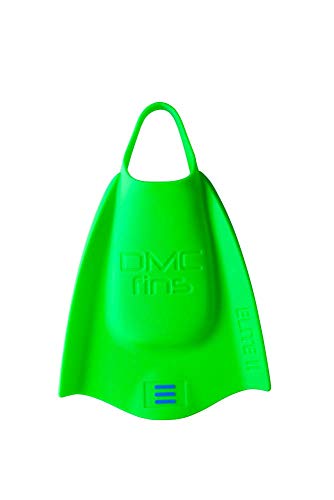
Adult Monofin: Enhance your butterfly kick with the FINIS Shooter monofin's short, stiff fiberglass blade; it's perfect for underwater drills and conditioning

Dolphin Kick Sets to Boost Speed and Flexibility

Dolphin kick sets transform the swimming experience, propelling athletes toward remarkable speed and flexibility. These drills harness dolphin kick variations to improve underwater technique, allowing swimmers to cut through water with minimal drag. By engaging core muscles for that essential wave-like motion, athletes can enhance overall leg fitness and develop kick propulsion. Significantly, elite swimmers frequently rely on these sets to gain a competitive edge. Incorporating fins amplifies resistance, nudging swimmers toward better muscle strength and increased speed. Using water resistance equipment like fins and aqua belts can further enhance workout effectiveness and ankle flexibility. Elite swimmers utilize the dolphin kick technique to maximize their competitive advantage. Think of dolphin kicks as the turbo boost of swimming; a few efficient strokes can skyrocket performance, much like a rollercoaster speeding to the top. With consistent practice, swimmers can master impressive underwater executions, blending efficiency and speed seamlessly.
Recommended Products

Vented Design: Decreases drag on the upstroke and enhances thrust on the downstroke, helping you go farther faster

Blade’s central panel membrane auto-adjusts the angle of attack based on kicking strength, providing easier kicking when cruising and maximum power when needed.

SCUBAPRO's space-age Monprene elastomer construction includes a special additive to enhance stiffness, resulting in more power and control for divers that like a stiff fin with more feedback.
Kick-Only Sets for Strength and Flexibility Development
Kicking drills using fins bring a focused approach to improving strength and flexibility in swimmers. Engaging in kick-only sets allows individuals to hone their kick technique while reaping additional benefits. Choosing open-heel fins maximizes ankle flexibility, transforming this training into an essential flexibility drill. Regular practice of flutter kicks with these fins enhances the range of motion and propels athletes closer to their goals. Think of it as revealing an ankle superpower! Additionally, alternating kicking directions enriches mobility, much like a versatile dancer mastering new moves. For those hungry for rapid improvement, incorporating high-resistance fins challenges strength, cultivating improved performance over time. Using fins made from high-quality materials can also increase durability and comfort during extended training sessions. Proper leg positioning minimizes drag and contributes to overall efficiency in the water. With commitment, these kick-only sets can revolutionize a swimmer’s overall efficiency and resilience.
Recommended Products

For scuba diving and snorkeling

The distinctive fin design sets the standard for power and durability with its sturdy rubber construction and beefy shape.

Split Fins deliver more propulsion with less drag and kick with less effort
Sprint Intervals With Fins for Power Enhancement

Harnessing the power of sprint intervals with fins can supercharge a swimmer’s performance in the water. These high-intensity workouts amplify explosive power by engaging muscle fibers in ways that traditional training rarely achieves. Research demonstrates that sprint intervals improve 10–30m sprint times far more effectively than plyometric exercises. This efficiency translates into enhanced propulsion, with each powerful kick requiring dynamic ankle flexibility. Just like a cheetah pouncing, the rapid acceleration during these intervals boosts leg stiffness, optimizing force transfer in the water. Furthermore, increased muscle oxygenation fuels those vital ankle movements, enabling longer bursts of intense swimming. In combining strength and finesse, sprint intervals with fins represent a game-changer for anyone serious about their aquatic performance. Sprint interval training has been shown to yield better results in overall performance metrics compared to traditional methods.
Recommended Products

The Gara Modular Sprint fin is the new 2020 model part of the Cressi Gara Modular line. Shorter version of the Impulse model, very popular with freedivers.
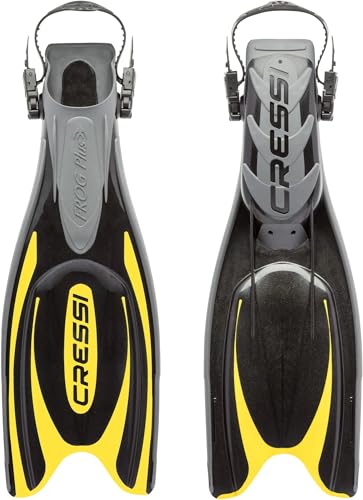
This formidable scuba diving open heel fin utilizes patented 3 material injection molding process that consists of a comfortable foot pocket rubber that extends up the side rails of the blade.

Lightweight and comfortable, the Jet Sport Adjustable features a big, slightly stiff three-material blade that generates propulsive kicking power.
Endurance Swims to Build Overall Leg Strength
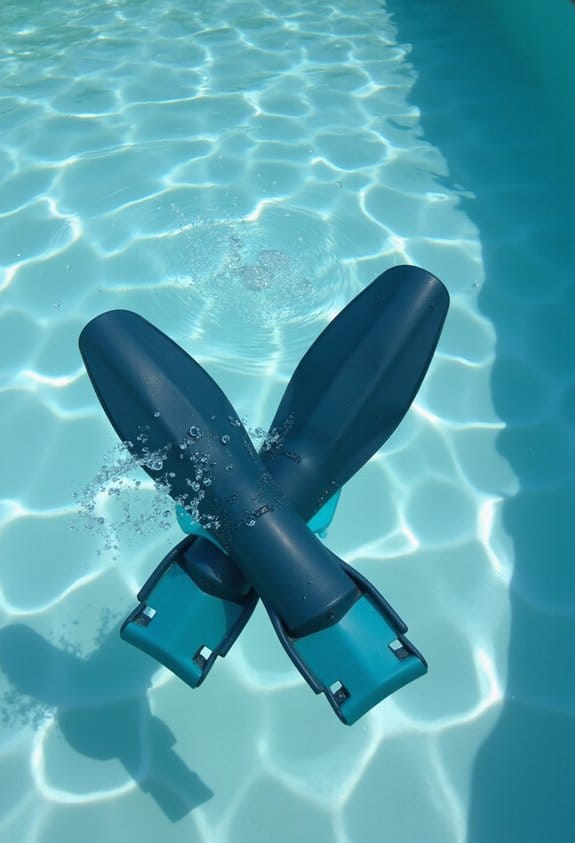
Endurance swims serve as a powerful tool in the quest to build overall leg strength for swimmers. By focusing on endurance techniques, swimmers enhance leg propulsion, giving them the power needed for explosive starts and efficient turns. Using swim fins with a long blade design can further amplify this effect by improving propulsion and kick efficiency. As muscle endurance improves, swimmers find themselves able to maintain high-intensity efforts over longer distances, reducing fatigue during grueling races. Additionally, effective endurance training boosts stroke efficiency, allowing for consistent performance. Engaging in kickboard workouts and interval training can target key muscle groups for ideal leg strength gains. Targeted strength and coordination in hips, glutes, quads, hamstrings, and calves is essential for maximizing this training. Think of endurance swims as the foundation of a house—without a solid base, everything else crumbles. Embracing these techniques can transform a swimmer into a formidable competitor, all while having a bit of fun in the water!
Incorporating Dryland Exercises for Complementary Flexibility

Incorporating dryland exercises can greatly enhance ankle flexibility, which is essential for swimmers aiming to optimize their performance in the water. Engaging in specific dryland routines, such as moving from a seated position on heels to spreading legs wider, challenges and improves ankle mobility. Tools like angled boards or kickboards facilitate dynamic hamstring stretches, pushing the limits of flexibility. Additionally, activities like jump rope and walking on tiptoes bolster strength and proprioception, making ankles resilient like a well-used rubber band. While hilariously uncoordinated leg swings might initially seem silly, they prepare the joints and enhance functional range, reducing injuries. Consistent dryland practice creates a solid foundation for effective swimming, merging strength with flexibility seamlessly. Choosing swim gear with drag-reducing designs can further complement these efforts by enhancing overall swimming efficiency. Good ankle strength also allows swimmers to exert more force through lower limbs, making such dryland exercises even more beneficial.
Monitoring Progress and Injuries During Training

Monitoring progress in ankle flexibility during training with fins is crucial for swimmers who want to maximize their performance. Regularly measuring ankle plantar flexion by tracing foot position can provide a clear target range of 1 to 4 inches from the big toe base to the floor. Progress tracking through charting improvements reveals valuable gains over time. Utilizing tools with durable materials can help maintain consistent measurements and comfort during training. However, swimmers should also remain vigilant for injury signals, like sudden sharp pain or persistent soreness. Such symptoms may suggest overuse injuries or strains. Uneven kicking patterns can also indicate underlying issues. Ankle mobility is essential for preventing discomfort while using fins, which should be prioritized in training. Using objective mobility tests and monitoring changes in discomfort levels guarantees a balanced approach, allowing swimmers to improve flexibility while minimizing risk. After all, preventing injury beats a trip to the medical pool any day!
Tips for Fin Selection to Maximize Flexibility Benefits

Selecting the right fins can feel like maneuvering through a labyrinth of options, but finding the ideal pair is vital for maximizing ankle flexibility benefits. Swimmers should consider fin types based on their goals; full-foot fins offer stability, while long-blade fins enhance propulsion. Flexibility matters too—fins made of soft rubber allow for better ankle mobility compared to stiffer materials. Opting for fins with an open heel design can also improve comfort and breathability during long swims. A snug fit is essential; ill-fitting fins can lead to discomfort and hinder flexibility advances. Weight also plays a role; lighter fins are easier to maneuver for beginners. Finally, opting for high-quality brands guarantees durability and performance. Remember, the quest for fins is like choosing the perfect ice cream flavor—everyone’s preference is unique, and the right choice can lead to sweet gains! Additionally, using fins while swimming can improve ankle mobility significantly when combined with other stretching exercises.
Recommended Products

Comfort-Focused Foot Pocket – Soft, supportive design reduces pressure while maintaining a secure fit throughout the dive.
Tri Material construction provides superior performance, maximum elasticity, great durability and a resistance to aging

ERGONOMIC DESIGN FOR MINIMIZED FATIGUE - The Mares X-Stream swim fins feature an open heel design and bungee strap to provide a secure, comfortable fit, helping to minimize leg strain during long dives; The combination of high-performance materials and advanced technologies ensures divers experience less fatigue and improved efficiency underwater
Frequently Asked Questions
How Often Should I Practice Exercises With Fins for Flexibility?
Practicing exercises with fins for flexibility benefits should occur regularly, ideally 3-5 times per week. This training frequency fosters incremental improvements, enhancing ankle mobility while ensuring sustainable progress and minimizing the risk of overuse injuries.
Are There Age Restrictions for Using Fins in Training?
There are no strict age restrictions for using fins in training; however, children’s safety requires supervision and guidance. Adults can benefit from fin usage, though caution is advised to accommodate individual health and flexibility.
Can Fins Help With Flexibility for Other Sports?
As fins slice through water, they reveal myriad benefits for sports performance. Enhanced ankle flexibility fosters fluid movements in running, jumping, and agility sports, enabling athletes to access unprecedented range and power, while minimizing injury risks.
Do I Need to Warm up Before Using Fins?
Warming up before using fins is essential. It prepares the body by increasing blood flow to warmed muscles, greatly contributing to injury prevention and enhancing performance during swimming, ensuring an effective and safer training session.
How Do I Choose the Right Size Fins?
Choosing the right size fins embodies the quest for fluid grace in water. The fin material should be soft, while the foot pocket must embrace the foot snugly, ensuring comfort and mobility without compromising flexibility during movements.