As an Amazon Associate, we earn from qualifying purchases. Some links on this site are affiliate links at no extra cost to you. Our recommendations are based on thorough research and editorial judgment.

How Do Short Training Fins Differ From Long Fins?

Short training fins are like speedy sports cars, designed for quick maneuvers and rapid kick tempos. They boost technique and engage leg muscles efficiently. Long fins, on the other hand, are more like cruising yachts, offering extended blades for propulsion and buoyancy, perfect for endurance training. While short fins enhance explosive power, long fins can sneakily alter your stroke rhythm. Choosing between them is essential for training success—stick around to discover how each fin type can suit your specific needs.
Key Takeaways
- Short training fins enhance maneuverability and promote faster kick tempo, while long fins provide increased propulsion and endurance benefits.
- Long fins have larger surface areas that focus on calf muscle development, whereas short fins engage upper leg muscles more effectively.
- Short fins mimic race conditions and improve muscle coordination, while long fins can alter stroke rhythm due to increased buoyancy.
- The compact design of short fins maintains structure better, while long fins may stretch and decrease efficiency over time.
- Short fins require less maintenance due to durable materials, while long fins may degrade faster and necessitate careful upkeep.
Design and Blade Length
When it comes to swimming gear, the difference in design and blade length between short training fins and long fins can markedly impact a swimmer’s performance. Long fins, resembling traditional snorkeling equipment, boast blades that extend well beyond the toes, often resulting in a slippery experience akin to a swan wearing flippers. Meanwhile, short fins feature compact blades usually only a few inches past the toes, enhancing maneuverability. The fin design of long fins typically has a flat blade shape to maximize surface area, while short fins may incorporate V-rails or angled edges, fostering better water displacement. Short fins are generally recommended primarily for experienced swimmers in training, highlighting their effectiveness for technique refinement. Swimmers often find that short fins, crafted from durable materials, offer a more responsive feel in the water—perfect for honing technique, much like a sports car compared to a luxury cruiser. Additionally, the blade length of short fins promotes quick movements and effective flutter kicking, making them ideal for improving leg strength and technique.
Recommended Products

The open-back Powerskin Carbon Glide combines arena's revolutionary Carbon Fiber technology with new lightweight fabrics to create the ultimate World Aquatics (FINA) approved racing suit for women

The closed-back Powerskin Carbon Glide combines arena's revolutionary Carbon Fiber technology with new lightweight fabrics to create the ultimate World Aquatics (FINA) approved racing suit for women

Adult Monofin: Enhance your butterfly kick with the FINIS Shooter monofin's short, stiff fiberglass blade; it's perfect for underwater drills and conditioning
Swimming Speed and Propulsion

Swimmers aiming to enhance their speed and propulsion often find themselves at a crossroads between short and long training fins. Short fins promote a faster kick tempo, allowing for quicker leg turnover, which closely mimics race conditions. This aspect helps experienced swimmers maintain higher speeds during training, focusing on speed and technique. Conversely, long fins increase propulsion force with their larger surface area, enabling swimmers to cover more distance per kick—a definite perk for endurance training. However, the slower kick tempo associated with long fins can lead to less fatigue but might hinder those aiming for explosive speed. Ultimately, swimmers must weigh their goals: acceleration with short fins versus sustained forward movement with long fins. Additionally, long swim fins promote a longer and wider kick for muscle engagement, making them ideal for beginner and intermediate swimmers. Proper blade design is essential in both types to ensure comfort and effectiveness during use.
Impact on Muscle Activation and Strength

Understanding the impact of training fins on muscle activation and strength reveals significant differences between short and long options. Short fins engage larger upper leg muscles like the quadriceps, enhancing explosive power through quicker kicks, which also improves muscle coordination. They are often made from soft, hypoallergenic silicone to maximize comfort during extended training sessions. In contrast, long fins focus on developing calf muscles and improving endurance training with a slow, steady kick that builds muscle stamina. While short fins promote efficient kick mechanics similar to unassisted swimming, long fins increase total resistance, demanding more from the stabilizing muscles around the ankle. This blend of active kick efficiency makes short fins ideal for swimmers seeking speed, while long fins cater to those aiming for prolonged performance, akin to an energizer bunny versus a marathon runner. Additionally, research indicates a reduction in lactic acid buildup when using short fins, further supporting their effectiveness in enhancing muscle performance.
Technique Adaptation and Training Use

In the world of swimming, the choice between short and long training fins can greatly influence technique adaptation and training effectiveness. Short fins foster technique improvement by promoting a rapid kick tempo, simulating the natural race pattern swimmers endeavor for. They engage core muscles and enhance ankle flexibility through regular use, which often occurs in high-frequency training sessions. Additionally, the comfort and fit of fins play a crucial role in maintaining consistent training without discomfort. Conversely, long fins, while providing buoyancy, can alter stroke rhythm and create a reliance on artificial propulsion. They are better suited for beginners to develop basic body positioning. Swimmers aiming for sprint training will find short fins ideal for their technique-focused drills, reminiscent of the way one might practice speed bursts in a car—quick and efficient, without excess weight holding them back. Additionally, using swim fins effectively can also help improve overall kick technique and build leg strength, providing further benefits when integrated into regular training regimes.
Recommended Products

Based on one of the first vented rubber fins sold in North America and popular among military and professional divers. Compact, and ultra-rugged for use in harsh environments.

Ideal for tropical diving, snorkeling, or pool training, this 1.5mm Everflex men's thermal long-sleeve top is made with a high-stretch Everflex neoprene on the outside.
Ideal for tropical diving, snorkeling, or pool training, this 1.5mm Everflex men's thermal long-sleeve top is made with a high-stretch Everflex neoprene on the outside.
Durability and Lifespan

Durability and lifespan play pivotal roles in the performance and value of training fins, a factor that can often be overlooked amidst discussions of technique and training benefits. The material selection greatly impacts a fin’s wear resistance; short fins typically utilize flexible silicone compounds that resist cracking over years, while long fins may be made with rubber, which degrades faster. Extended blades on long fins achieve propulsion but stretch over time, diminishing efficiency. Conversely, the compact design of short fins better maintains shape and structure. Choosing fins made from high-quality materials such as thermoplastic rubber ensures longer durability and resistance to wear. Improved leg endurance and strength benefits both beginners and seasoned swimmers, emphasizing the importance of fin durability in training sessions. Minor maintenance—like rinsing after use—extends life for both types. As with shoes, investing in high-quality fins pays dividends; after all, nobody wants the feeling of a broken fin mid-sprint!
Suitability by Skill Level and Training Goals

While choosing the right training fins may seem minor in the grand scheme of swim training, their suitability can considerably impact a swimmer’s development at various skill levels and training objectives. For beginners, long fins enhance propulsion, assisting in strength and endurance with less effort per stroke, while short fins enforce technique and tempo. Notably, long fins can significantly increase speed due to greater propulsion. Long fins also help improve leg strength development, which is beneficial for building a strong foundation in swimming.
Intermediate and advanced swimmers should lean towards short fins, which refine kicking technique and promote speed, as these fins better simulate race conditions. In fin selection, considering training goals is essential—long fins are strength builders, but overuse can hinder swimmer progression. Finally, mixing both fin types can create a well-rounded workout, much like balancing dessert with vegetables for preferred growth and satisfaction.
Water Resistance and Propulsion Efficiency

How do training fins really influence a swimmer’s performance in water? When considering hydrodynamic principles, long fins increase water resistance, pushing against more water per kick. This means swimmers engage their leg muscles more, enhancing power output. However, a downside is that they may slow down kick rates, reducing stroke turnover. Conversely, short fins promote faster kicks with moderate resistance, leading to quicker propulsion cycles while mimicking a natural swimming rhythm. They allow for better resistance management, supporting technique improvement. It’s a delicate trade-off: long fins build endurance and strength, while short fins favor speed and agility. Swimmers must weigh these aspects depending on their training goals, much like choosing between a high-powered sports car and a nimble little coupe! Additionally, the right choice of fins can significantly impact overall swim performance. Compact swim fins, known for their lightweight design and short blade length, are particularly effective in enhancing speed and efficiency in the water.
Blade Stiffness and Flexibility

When exploring the nuances of swim training fins, the importance of blade stiffness and flexibility cannot be overstated. Stiff fin blades, while often offering enhanced blade performance and propulsion, may sacrifice swimmer comfort, particularly for beginners. These fins give a powerful thrust, making them ideal for intermediate and advanced swimmers focused on speed. Conversely, less stiff fins provide a more forgiving kick, making them perfect for relaxed swimming or for those new to the water. For instance, while the Arena Powerfins Pro feature a soft silicone for comfort, the Pro Force Fins cater to those who prefer a firmer kick. Many training fins also feature shorter blades that promote controlled kicks suitable for technique improvement. Ultimately, the choice between stiff and flexible blades boils down to individual training goals and comfort needs, much like choosing between a sports car and a cozy family sedan. Choosing the right fins can dramatically enhance your swim efficiency and improve your performance in the water.
Kick Dynamics and Stroke Integration

Kick dynamics and stroke integration play a pivotal role in optimizing swim training, influencing not just speed but overall efficiency in the water. Short training fins promote a faster kick frequency, encouraging swimmers to mimic natural tempos found in freestyle or backstroke. In contrast, long fins, while boosting propulsion efficiency, can result in a sluggish kick rate, disrupting the smooth coordination between arms and legs. This disconnect might feel like trying to waltz with a partner who has two left feet. Additionally, short fins help maintain a streamlined body position, while long fins can lead to exaggerated hip movement, increasing drag. Many swimmers find that shorter blades enhance kick technique and promote an efficient flutter kick. Ultimately, the choice of fin impacts not only speed but also the swimmer’s ability to maintain rhythm and technique across various strokes. Fins help improve kick strength while also contributing to energy conservation, which is critical for the bike and run segments.
Training Applications for Different Fins

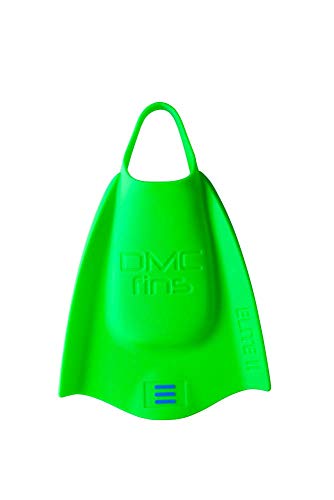
Selecting the right fins for swim training can considerably impact a swimmer’s performance and development in the water. Long fins are great for building propulsion and endurance while promoting leg strength through increased resistance. They’re ideal for beginners working on foundational kick strength. Additionally, long fins usually feature a closed heel design that offers stability and reduces the risk of hyperflexion during kicks. Conversely, short fins sharpen technique and elevate heart rates by demanding quicker kicks—perfect for advanced swimmers focusing on speed. Training benefits vary; short fins improve ankle flexibility and mimic natural race conditions, while long fins enhance cardiovascular conditioning with deeper, steady strokes. In fin selection, choosing the right type can make the difference between gliding gracefully through water and flailing like a fish out of water. The right fin can turn pool time into prime time! Additionally, shorter bladed fins like DMC Fins can improve leg strength and muscle memory, making them a valuable asset for serious training.
Recommended Products

MAXIMIZED PROPULSION - Vented blade design efficiently channels water, reducing drag and increasing thrust for powerful and efficient underwater movement in varying conditions.
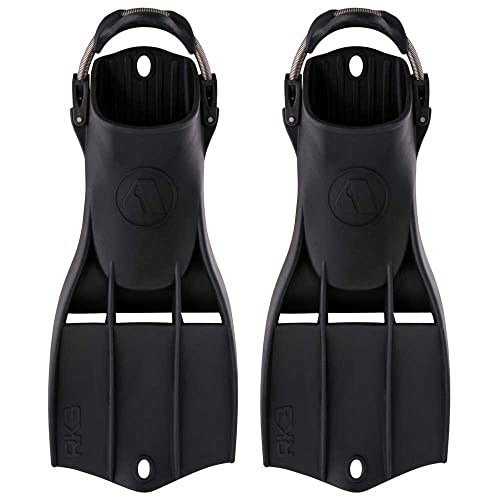
Proven Design for Decades: Trusted by Military, Special Forces, Coast Guard, and Safety Divers
Advantages for Beginners Versus Advanced Swimmers
While both beginners and advanced swimmers can benefit from various fin types, their advantages differ markedly based on skill level and training goals. Beginners often find short fins advantageous due to their smaller blades, which reduce water resistance and encourage a natural kicking motion. This selection aids in maintaining proper body position and builds swimmer confidence. In contrast, advanced swimmers prefer short fins to refine technique and enhance speed without excessive propulsion. These fins bolster leg strength, mimic race-like kicking, and promote better ankle flexibility. In this regard, when it comes to fin selection, novices may favor the buoyancy of long fins, while seasoned swimmers rely on short fins to match the rhythm of their competitive strokes, as they help maintain faster leg movements while swimming.
Recommended Products

ELITE CLEANING POWER: More powerful than any other pressure cleaner in its class, the 3900 Sport is equipped with triple venturi jets & all-wheel PosiDrive, delivering unmatched vacuum power and legendary performance.
The open-back Powerskin Carbon Glide combines arena's revolutionary Carbon Fiber technology with new lightweight fabrics to create the ultimate World Aquatics (FINA) approved racing suit for women

Outstanding performance without causing excessive leg fatigue
Role in Endurance and Strength Building
When considering the role of short training fins in building endurance and strength, it becomes clear that these tools are not merely accessories but vital components of a swimmer’s training arsenal. Short fins increase kick tempo, demanding swimmers engage their muscles more actively for strength building. Although they provide less propulsion than long fins, their resistance enhances endurance enhancement by requiring more energy per kick. Additionally, the comfort and versatility of short fins allow coaches to devise various drills for different skill levels. This adaptability fosters improvement in speed and technique, akin to refining a chef’s knife skills—no matter how sharp your knife, finesse matters. Consequently, short fins play an important role in elevating a swimmer’s performance across all levels, especially in enhancing kicking technique.
Effect on Body Position in Water
Body position in water is critical for any swimmer aiming to improve their speed and efficiency, and the choice of fins plays a surprising role in achieving that ideal alignment. Short fins encourage a natural, high horizontal body position, promoting consistent flutter kicking, which is fantastic for body alignment and resistance management. Conversely, long fins produce tremendous thrust—helping elevate the swimmer’s hips—but they can sometimes lead to an overly relaxed body angle, akin to trying to balance a pencil on your finger. Both fin types contribute to reduced drag and improved speed, though short fins may maintain better kick mechanics and prevent dependence on enhanced propulsion. Ultimately, the appropriate fin length is essential for optimizing aquatic performance and achieving that sleek, streamlined look, as effective kicking is vital for reducing drag and can correct overly wide scissor-kicking motions.
Maintenance Tips for Longevity of Fins
Choosing the right training fins can greatly impact a swimmer’s performance, but that selection is just the beginning. To guarantee longevity, proper maintenance is essential. First, swimmers should embrace effective cleaning techniques; rinsing fins with fresh water after each use removes harmful salt, chlorine, and debris. Special attention should be paid to buckles and foot pockets. For storage solutions, air-drying fins in a cool, shaded area is vital. Avoid moisture-laden environments to prevent mold growth. Additionally, inspect fins regularly for cracks. Using food-grade silicone oil can keep rubber flexible and happy, while storing them flat prevents warping—because no one wants fins resembling a banana! With these tips, fins can stay in great shape for many dives to come.
Recommended Products

【Smart Fitness Tracking with UREVO SmartCoach App】Stay motivated and track your progress with the UREVO SmartCoach app. Smart treadmill not only monitors your workout data but also offers immersive "cityscape" features, providing an engaging virtual outdoor experience while you walk indoors.

🦄【Every Effort Matters】Sync the treadmill with the UREVO Sport App to track your progress and access detailed workout reports. Whether you're a beginner or an advanced user, the app complements your fitness journey. NOTE: Apply lubricant every 125 miles.

PRECISION BOILING POINT MEASUREMENT This AS506 heats a 50 milliliter brake fluid sample to its actual boiling point and measures the exact temperature in both Celsius and Fahrenheit. Unlike conductivity pens that only estimate moisture, boiling point testing reveals the true safety margin of your brake fluid before vapor lock and brake fade become a risk.
Frequently Asked Questions
Can Short and Long Fins Be Used Interchangeably During Training?
Short and long fins can be used interchangeably during training, though each affects fin performance and training effectiveness differently. Swimmers should consider their specific goals, skill levels, and desired outcomes when choosing between the two types.
What Materials Are Commonly Used in Manufacturing Training Fins?
In the symphony of aquatic performance, diverse materials harmonize during manufacturing processes. Polyolefin, carbon fiber, and eco-friendly polymers unite in training fins, each playing an essential role in enhancing durability, stiffness, comfort, and sustainability in recreational endeavors.
How Do I Choose the Right Size for My Training Fins?
Choosing the right size for training fins involves ensuring snug fin sizing that avoids excessive heel slip. Proper fit enhances training effectiveness, allowing swimmers to achieve ideal performance without discomfort or inefficiencies during their sessions.
Are There Specific Brands Known for High-Quality Training Fins?
Brand recommendations for high-quality training fins include Finis for durability, Speedo for comfort, TYR for efficiency, Arena for technique, and Dolfin for affordability. Fin comparisons highlight these brands’ unique features catering to various swimming needs.
How Can I Clean and Care for My Training Fins?
To guarantee proper fin maintenance, regularly rinse fins with fresh water and employ effective cleaning techniques like mild soap for blades. Inspect and lubricate components, while storing them in a cool, dry place to prevent damage.