As an Amazon Associate, we earn from qualifying purchases. Some links on this site are affiliate links at no extra cost to you. Our recommendations are based on thorough research and editorial judgment.


How Do You Properly Store Swimming Goggles to Extend Their Lifespan?

To properly store swimming goggles and extend their lifespan, clean them thoroughly to remove chlorine and oils, then gently pat dry with a microfiber cloth. Store them in a cool, shaded area and avoid temperature fluctuations to maintain their shape. Utilizing a hard-shell case protects them from impacts, while drainage holes prevent moisture buildup. Remember, inspecting for cracks and frayed straps is key—your goggles deserve a little TLC! Discover more tips to keep them in top shape.
Key Takeaways
- Store swimming goggles in a cool, shaded area to prevent UV damage and maintain material integrity.
- Keep goggles upright with straps facing up to avoid bending and potential damage to the frame.
- Use a hard-shell case for impact protection and ensure it has ventilation to prevent moisture buildup.
- Regularly clean the case’s interior to avoid mold and mildew accumulation that can affect the goggles.
- Avoid storing in airtight containers, as they trap humidity which can lead to fogging and deterioration.
Importance of Cleaning Before Storage
When it comes to storing swimming goggles, cleaning them before putting them away is not just a suggestion; it’s akin to washing your car before stowing it in the garage for winter. Regular cleaning frequency is essential, as rinsing goggles removes chlorine and chemicals that can harm their lenses over time. Cleaning techniques should steer clear of soap, which can wreck the anti-fog coating. Moreover, frequent cleaning prevents moisture buildup and the unsightly mold that follows. To enhance overall visibility while swimming, it’s critical to avoid debris accumulation, which can lead to scratches. Using anti-fog spray after cleaning can also help maintain clarity and prolong the effectiveness of the coating. A clean pair of goggles not only lasts longer but also looks and performs better. After all, nobody wants impaired vision when diving into the depths!
Step-by-Step Drying Process

Drying swimming goggles properly is an essential step in ensuring their longevity and performance, much like giving a favorite book a safe spot on a clutter-free shelf. First, rinse the goggles with lukewarm water to remove chlorine and chemicals. Using a microfiber cloth, gently pat them dry to avoid scratches. Regularly inspecting for signs of wear such as cracks or broken straps during this process can help catch problems early. Next, place the goggles in a flat position, allowing them to air dry. Good air circulation is vital here; it’s like giving goggles their moment to breathe. Avoid using heat—no one wants a melted pair of goggles! Regularly inspect for any moisture spots, ensuring they’re completely dry. This systematic approach can help prevent that dreaded fog when diving back into the pool. Remember, proper care extends their lifespan and ensures optimal function.
Recommended Products

DRYRIDE two-layer fabric shell provides quick-drying weather protection; Goat leather palm is soft and durable; Screen Grab with premium and durable goat leather thumb and index finger is touchscreen-compatible; Goat suede nose wipe on thumb

DRYRIDE two-layer fabric shell provides quick-drying weather protection; Goat leather palm is soft and durable; Screen Grab with goat leather thumb is touchscreen-compatible; Goat suede nose wipe on thumb
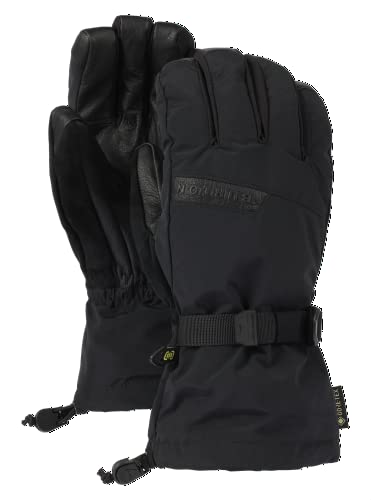
DRYRIDE two-layer fabric shell provides quick-drying weather protection; Goat leather palm is soft and durable; Screen Grab with premium and durable goat leather thumb and index finger is touchscreen-compatible; Goat suede nose wipe on thumb
Ideal Storage Environment
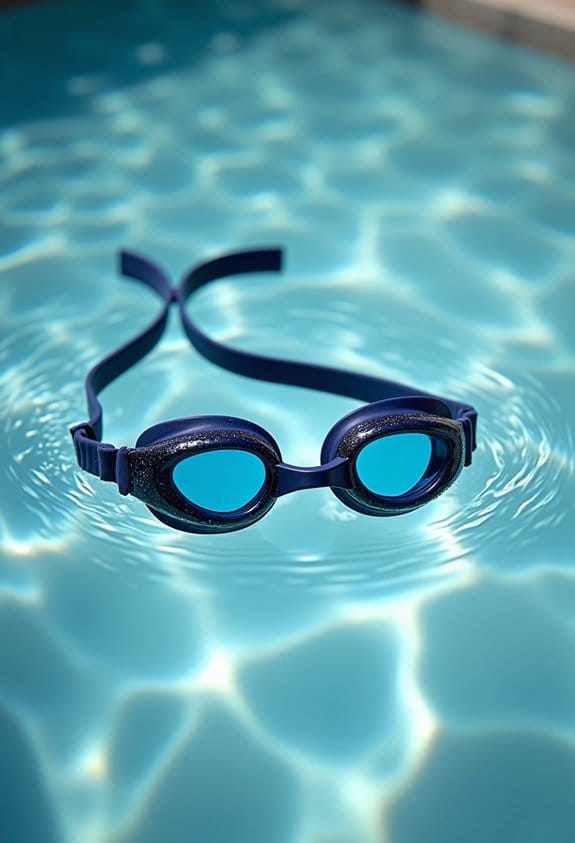
After confirming that swimming goggles are thoroughly dried, the next step involves creating an ideal storage environment to keep them in peak condition. Storing goggles in a cool, shaded area is vital to prevent UV damage and maintain their elasticity. Avoid temperature fluctuations, as extreme heat can warp their shape while excessive cold can make materials brittle. A well-ventilated space is essential for reducing humidity levels; sealed bags trap moisture, promoting mold growth. Consider using storage cases with drainage holes for air circulation. Storing goggles upright with straps facing up also helps maintain their shape and prevents potential damage. Using lightweight and compact designs in storage solutions can further aid in easy transport and protection. Remember, a clean, dust-free environment also protects the lenses from abrasions. With these precautions, swimmers can guarantee their goggles remain in prime condition for many laps to come. After all, nobody likes cracked lenses or foggy visions!
Recommended Products

BREATHABLE MESH - Allows air to pass through and moisture to escape to reduce fogging, and water escape after swimming.

VENTED DESIGN: Immerse yourself in aquatic thrills with the Jettribe Pro Goggles. Crafted with precision, these goggles boast multiple upper and lower air vents, providing superior airflow. Say goodbye to fogging during intense water activities, ensuring crystal-clear vision. Whether you're conquering waves or participating in Jetski races, these goggles offer a clear line of sight, enhancing your overall experience on the water.

Deluxe goggle storage - fits up to 5 pair. Fleece lined interior dividers. Lens pocket
Using Protective Cases Effectively
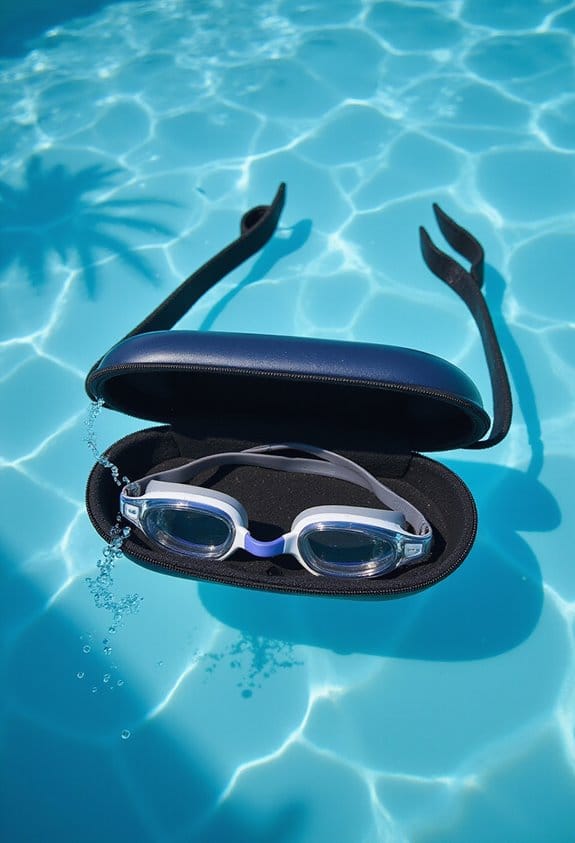
Using protective cases effectively not only guarantees that swimming goggles stay in prime condition but also extends their lifespan, much like a sturdy toolbox safeguards a set of delicate instruments. Case selection is essential; opting for hard-shell variants provides robust protection from impacts while soft pouches minimize scratches. Many cases also feature ventilation and drainage, which allow moisture to escape and help prevent mildew buildup. Maintaining the case is important too. A quick wipe of the interior keeps dirt and mold at bay, whereas ventilation holes promote drying, reducing fogging and unpleasant odors. For added convenience, choose compact cases with clip attachments to secure goggles during transport. Investing in a properly designed case, often costing around $15-$30, is a small price to pay for preserving clarity and performance, echoing the age-old wisdom that prevention is better than cure! Speedo’s hard swim goggle case is a prime example of how durable construction can significantly enhance protection for your goggles.
Recommended Products

ADVANCED ANTI-FOG TECHNOLOGY: Built-in, proprietary, advanced Anti-Fog Films prevent fogging in all circumstances for first 6 months of use with proper care (rinse with fresh water & dish soap after each use). Anti-Fog Film's properties after extended use. Anti-Fog Films are long lasting and easily replaceable.

Specifically designed to keep goggles and accessories in top condition
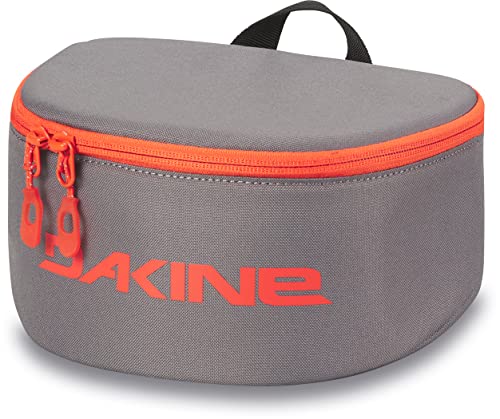
Clean, dry goggles make for great riding. Give your goggles the respect they deserve between days at the hill with this goggle case. It's big enough to handle large frameless styles and features a built-in pouch to add moisture-absorbing desiccant pouches to expedite drying after a day of storm riding.
Proper Handling During Storage
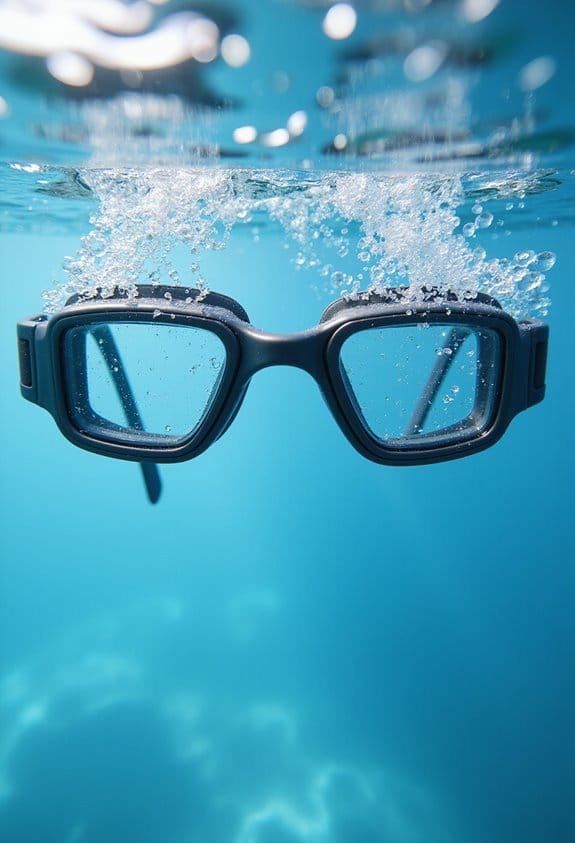
Proper handling during storage is essential for maintaining the longevity and performance of swimming goggles. To guarantee strap care, store goggles with the straps facing up and avoid aggressive pulling to prevent stretching. Lens protection is equally important; always handle lenses with care to avert scratches that could hinder visibility. Remember, avoiding extreme temperatures is crucial. A hot car can turn those flexible seals into an unpleasant rubber band, while freezing conditions might make straps as brittle as old spaghetti. For best results, air-dry goggles fully before stowing them away and refrain from cramming them into dense bags. Additionally, storing goggles in original protective cases can further shield them from unintended damage. Using soft materials in storage pouches can also help minimize lens abrasion. Treat goggles like the delicate instruments they are, and they will reward you with clearer underwater views for many swims to come!
Long-Term Maintenance Tips
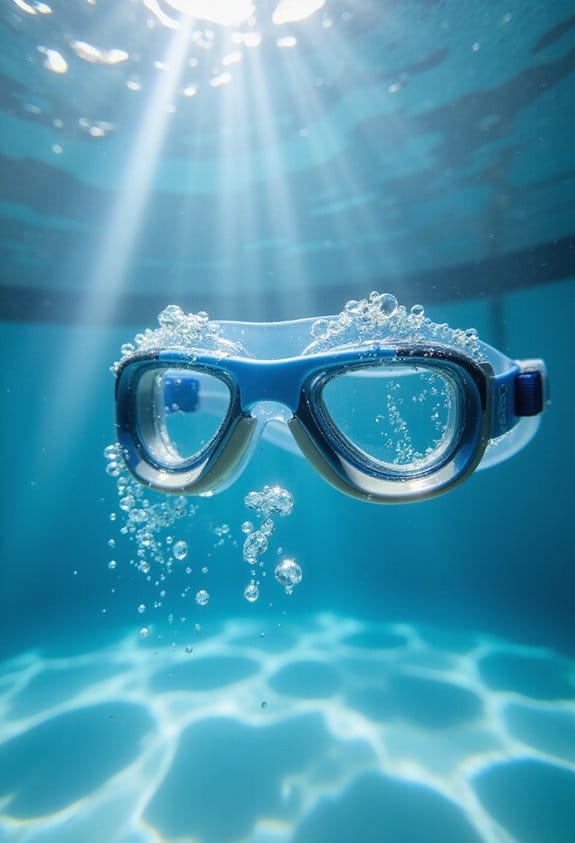
Maintaining swimming goggles over the long haul is akin to caring for a high-performance sports car; neglecting even the smallest details can lead to a bumpy ride—or in this case, a foggy view. To guarantee durability, goggle cleaning should be a consistent part of maintenance routines. Rinse immediately after each swim with cool water to remove chlorine and avoid hot water that damages materials. Using goggles with anti-fog technology can also help preserve lens clarity over time. Proper maintenance techniques significantly extend the lifespan of swim goggles, ensuring that they remain effective and comfortable during each use. Allow goggles to air dry completely in a cool, ventilated area, avoiding direct sunlight. Store them in a protective pouch, steering clear of harsh chemicals or abrasive cleaners. Regularly inspect parts for wear and replace them when needed. Adopting these practices enhances clarity and longevity—after all, foggy goggles won’t win any races!
Avoiding Common Mistakes

Many swimmers unknowingly make simple yet critical mistakes that can diminish the lifespan and effectiveness of their goggles. Common storage mistakes include tossing goggles in a swim bag without protection, which can lead to scratches from gear collisions—it’s like inviting a catfight in a crowded room! The impact of moisture cannot be overlooked; storing wet goggles in tight bags encourages bacterial growth and mold. Likewise, exposing goggles to direct sunlight can warp frames, while improper drying practices, such as scrubbing lenses with abrasive materials, can ruin coatings. To maintain optimal clarity and comfort, it is also important to consider anti-fog coatings when handling and storing goggles. Ultimately, treating goggles with care during cleaning, drying, and storage is paramount. A dedicated hard case for safekeeping is a small investment for a greater swimming experience, as all goggles come with a unique carrying case featuring a drainage system.
Recommended Products

Large wheeled luggage ideal to carry scuba diving equipment and other water activity gear like long fins for freediving. Made of 300 and 400 Denier fabric that is light and very strong.
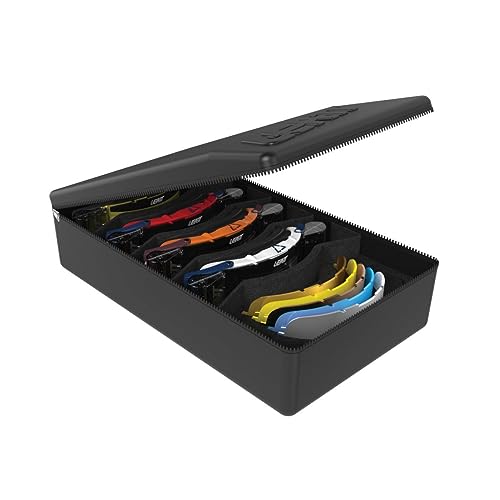
Leatt Brace Goggle Case Velocity Adult Black)

SEAL KID 2 KIDS SWIM MASK – The evolution of the original swim mask for children! The Seal Kid 2 delivers a leak-free fit for children as young as 3-years old. It utilizes Aquasphere curved lens technology for a wide field of view, making children more confident and comfortable in the water
Recognizing Signs of Wear

Recognizing signs of wear in swimming goggles can be a game changer for any swimmer looking to enhance their underwater experience. Regularly monitoring signs of deterioration is essential. Swimmers should check for cracks in the frame, which compromise the water seal. If the straps feel loose, frayed, or slicker than a banana peel, it’s time to contemplate an upgrade. Lens condition deserves attention too—scratched or foggy lenses can impair vision, just as dirty glasses hinder sight on land. Pay close attention to the silicone gaskets; if they appear hard or cracked, leaks are likely imminent. Using goggles with compromised silicone gaskets can reduce the effectiveness of the waterproof seal. By recognizing wear early, swimmers can maintain comfort and performance, ensuring their time in the water remains a joy rather than a struggle. Increased pressure from older goggles can also lead to more pronounced goggle marks, making it crucial to assess their condition regularly.
Importance of Air Circulation
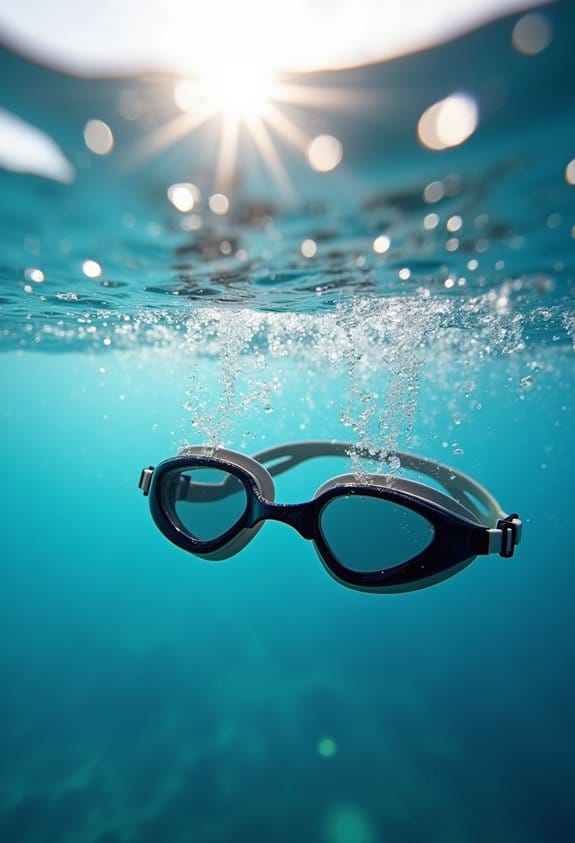
Air circulation plays an essential role in the longevity and performance of swimming goggles, often overlooked yet incredibly impactful. Adequate airflow not only promotes moisture control but also prevents the buildup of bacteria and odors that can degrade goggle integrity. Using cases with drainage vents or mesh panels enhances ventilation benefits, allowing moisture to evaporate effectively after use. Additionally, storing goggles upright keeps the straps from becoming compressed, fostering better airflow around the seals. For ideal protection, avoid airtight containers that trap humidity and encourage fog formation. Incorporating anti-fog technologies into your goggles also helps maintain clear vision and reduces moisture buildup inside the lenses. Remember, proper air circulation is like giving your goggles a revitalizing gust of fresh air, preventing them from turning into soggy messes after every swim! Utilizing proper storage techniques can further extend the lifespan of your goggles, ensuring they remain performance-ready for each swim session.
Best Practices for Transporting Goggles

Properly transporting swimming goggles can make a significant difference in their lifespan and performance, ensuring they remain in top condition for every dive. Using a hard or semi-hard protective case helps shield them from scratches and deformation, much like putting on a seatbelt before a road trip. Immediately rinsing and storing goggles lens-up in these cases preserves hygiene and reduces pressure on the lenses. For strap management, securing adjustable straps with strap protectors prevents tangling, while keeping them short avoids overstretching. It’s wise to check for worn straps during packing to maintain the adjustable fit that ensures comfort and reduces water leakage. Finally, utilizing swim bags with dedicated storage compartments allows for easy organization, keeping goggles safe from the clutches of wet clothes and rogue gear. Additionally, considering the environmental impacts of goggles can guide you in selecting storage solutions that contribute to overall sustainability.
Recommended Products

This revolutionary mask is made of High Seal Silicone, a material that offers unprecedented comfort and a perfect seal ideal for scuba diving, snorkeling, and freediving.
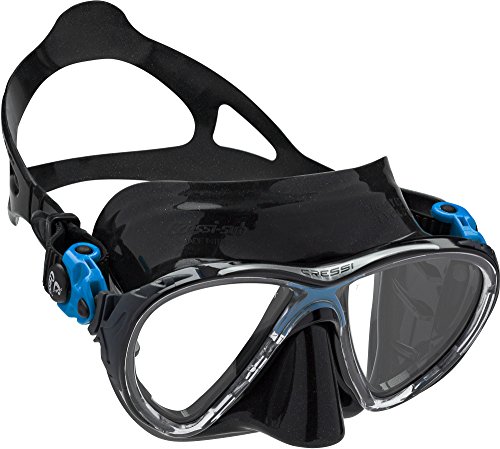
This revolutionary mask is made of High Seal Silicone, a material that offers unprecedented comfort and a perfect seal ideal for scuba diving, snorkeling, and freediving.

VISTA SWIMMING MASK – Comfort is the name of the game. The Vista’s low profile virtually eliminates all the drag experienced with other swimming masks. Its one-touch buckle provides you a custom fit so you can focus on your swim, not your gear
Frequently Asked Questions
Can I Use Regular Household Cleaners on My Swimming Goggles?
Using regular household cleaners on swimming goggles is not advisable. Harsh chemicals can damage coatings. Goggle cleaning should involve maintenance tips such as mild soaps or specialized cleaners to preserve lens integrity and clarity.
How Often Should I Replace My Swimming Goggles?
Like a garden needing regular pruning, swimming goggles should be replaced every 4 to 6 months for intense users and up to 2 years for occasional swimmers, influenced by goggle care and lifespan factors.
What Should I Avoid Doing While Wearing Goggles?
To guarantee comfort and longevity, one should avoid over-tightening straps, improper fit, and contact with hair. Following goggle maintenance tips and lens care recommendations is essential for preventing irritation and maintaining clarity during swimming.
Can UV Exposure Permanently Damage My Goggles?
While some may believe UV protection is sufficient, prolonged exposure can indeed permanently damage goggles. This compromises lens durability and the overall integrity, highlighting the necessity for proper care to preserve their functionality and protective qualities.
Is It Safe to Share Goggles With Others?
It is not safe to share goggles due to hygiene concerns. Sharing risks include increased transmission of bacteria and viruses, leading to eye infections. Personal goggles are essential for maintaining ideal eye health and hygiene standards.


