As an Amazon Associate, we earn from qualifying purchases. Some links on this site are affiliate links at no extra cost to you. Our recommendations are based on thorough research and editorial judgment.


How Do Photochromic Lenses Adapt to Different Lighting Conditions?

Photochromic lenses adapt to changing light by utilizing light-sensitive molecules that respond to ultraviolet (UV) radiation. When exposed to UV rays, they convert from clear to dark within minutes, achieving full tint in about 15 minutes. As light fades, these lenses revert to transparency quickly—typically in 2 to 3 minutes indoors—though cold temperatures can slow this process. It’s like having sunglasses that know when to step in and shield your eyes. Curious about the latest innovations?
Key Takeaways
- Photochromic lenses darken in response to UV radiation, which triggers molecular transformations in the lens material.
- Increased UV intensity leads to quicker darkening, reaching full darkness typically within 15 minutes of direct sunlight.
- Ambient temperature significantly influences adaptation speed; warmer conditions enhance molecular movement, accelerating reversion to transparency when UV light fades.
- Indoor lighting emits minimal UV light, resulting in slight darkening effects, while shaded areas may prevent full darkening.
- Reflective surfaces like water or snow can enhance UV exposure, causing lenses to darken more than in non-reflective environments.
The Science Behind Photochromic Lenses
While one might think that lenses simply change color due to a whimsical magic, the truth behind photochromic lenses is rooted deeply in chemistry and physics. These fascinating lenses utilize organic compounds like oxazines and naphthopyrans, which undergo molecular transformations when exposed to UV radiation. In glass lenses, silver chloride crystals react similarly, as electrons get knocked free to create darkening silver atoms. This clever design allows them to return to clarity once the UV light fades. Darkening can occur rapidly, within minutes, while clearing hinges on temperature, making them a bit moody – hotter is lighter but cooler is darker. Ultimately, photochromic lenses blend science with practicality, adapting to different settings like chameleons in stylish frames. This adaptability highlights their ability to offer convenient UV protection, providing users with a dual purpose in just one lens. Additionally, the durability and resistance of these lenses make them suitable for outdoor activities where changing light conditions are common.
How UV Exposure Triggers Darkening

When individuals step outside on a sunny day, they might not realize the intricate dance of molecules taking place in their photochromic lenses. These lenses contain photoactive molecules that trigger chemical reactions when exposed to UV intensity from sunlight, leading to a clever darkening mechanism. Materials like oxazines and naphthopyrans guarantee that the lenses darken effectively, but this process can be temperamental. High temperatures, for instance, can hinder that reaction, leaving the lenses looking more like sunglasses on a cloudy day than on a sun-soaked beach. Typically, the lenses reach full darkness within 15 minutes, optimizing their performance under direct sunlight. Many users find that custom molded fit in eyewear enhances comfort during prolonged use in varying light conditions. Consequently, the next time you enjoy the outdoors, your lenses are busy adapting, a true indication of modern material composition. Photochromic lenses are designed to block harmful UV rays effectively when outdoors, providing an added layer of protection for your eyes.
The Process of Reversion to Transparency

Reversion to transparency is where the magic of photochromic lenses truly shines. When UV light fades, the lenses’ darkening mechanism ceases, launching the reversion process. This transformation hinges on reversion efficiency, which varies with temperature; warmer conditions accelerate the shift back to clarity. Typically, most lenses return to their transparent state indoors within 2 to 3 minutes. A playful comparison would be baking cookies—once pulled from the heat, they cool and reshape, completing a cycle. Various materials affect reversion rates too; for instance, lenses with organic compounds like naphthopyrans tend to respond differently than those using silver atoms. This is due to the fact that temperature plays a critical role in the performance of photochromic lenses. The durability and longevity of these lenses ensure their functionality remains effective, much like the durability of training swimwear which withstands prolonged use. Ultimately, photochromic lenses maintain impressive stability and durability, ensuring their performance decades into the future!
Speed of Adaptation to Light Changes

How quickly can photochromic lenses adapt to changing light conditions? Modern photochromic lenses, particularly the ultra-responsive Transitions GEN S, can darken in a mere 25 seconds under strong sunlight. This speed is a remarkable improvement over previous models, which might take up to a minute to fully change. The adaptation mechanisms in these lenses rely on advanced photochromic molecules that respond to UV light intensity, leading to significant performance comparison among different brands. Factors such as lens material and technology influence how swiftly they react. Many users prefer lenses with UV protection to shield their eyes from harmful rays during these transitions. Users appreciate not having to juggle between regular glasses and sunglasses, akin to upgrading from a flip phone to a smartphone—necessary, efficient, and undeniably exciting. Ultimately, efficiency in adaptation enhances eye protection while greatly elevating user convenience.
Recommended Products

It’s Time to Drop In: The Smith 4D MAG brings our widest field of view and sharpest optics to give you the best possible read on the terrain, so you can nail your line every time; BirdsEye Vision clarifies not just your line, but the riders in your periphery. Increasing your field of view by 25%


Lightweight frame design for all-day comfort
The Influence of Temperature on Performance

What happens to photochromic lenses when temperatures fluctuate? In cold conditions, the molecules within these lenses slow down considerably, enhancing their cold performance. This can lead to a darker tint that lingers longer, but the trade-off is a slower fade-back to clear—2.7 to 5.4 times slower compared to warm dynamics. This phenomenon is similar to how materials like neoprene thickness affect thermal retention in cold water swim caps. Conversely, in warmer weather, the molecules become more mobile, favoring transparency and limiting the maximum darkness achieved. Curiously, transmittance drops by 11.5% in colder temperatures, while the optical density change is more pronounced. As a result, while it’s great to see those deep hues in winter, users should be prepared for the slightly prolonged wait when stepping indoors. Ultimately, understanding these temperature effects can lead to better lens performance for everyday wear, as high temperatures can subtly influence lens performance.
Effects of Ambient Conditions on Darkness

Although ambient conditions might seem like a minor detail, they play an essential role in determining the darkness of photochromic lenses. In shaded environments or cloudy conditions, lower ambient UV levels prevent lenses from fully darkening, often leaving them mostly clear. Conversely, when sunlight hits reflective surfaces like water or snow, the apparent UV exposure increases, triggering deeper tinting than what might be expected from visible light alone. This can lead to notable darkening even in moderate brightness. Curiously, lenses typically take about 30 to 60 seconds to darken but may lag minutes when returning to clarity. Consequently, user experience can be a bit of a rollercoaster—a gradual dance between clear and tinted states depending on one’s surroundings. Photochromic lenses can significantly enhance visual comfort by adapting to varying light conditions effectively. Their performance is similar to how waterproof ear plugs adjust to different environments, emphasizing the importance of material and design in responsiveness.
Specificity to UV Light Wavelengths

The performance of photochromic lenses hinges not just on the ambient conditions but also on their sensitivity to specific UV light wavelengths. These lenses utilize light-sensitive molecules that react primarily to UVA and UVB radiation, which spans approximately 290–400 nm. When UV light strikes, these molecules undergo a remarkable molecular response, breaking chemical bonds and evolving into a darker state that absorbs visible light. This reaction occurs more readily under intense UV exposure, yet at lower intensities, the response slows—like trying to wake a teenager before noon. Additionally, the type of material matters: plastic lenses react faster than glass counterparts. Ultimately, effective UV light impact maximizes clear vision while providing the added benefit of excellent UV protection for the eyes. This adaptability is crucial for swim goggles, which must accommodate varying light conditions encountered during triathlons and open water swims.
The Role of Artificial Lighting

While sunlight commonly activates photochromic lenses, indoor environments can surprisingly influence their performance as well. Many indoor lighting sources, such as LEDs and fluorescent bulbs, emit some violet and near-UV light, triggering minimal darkening effects. These lenses use advanced responsive polymers similar to those in innovative sports equipment materials to optimize their reaction indoors. Although this activation is far less intense than outdoor sunlight, it still helps reduce indoor glare, providing comfort improvement for users. In a world where dimly lit offices can feel like caves, these lenses can be a small blessing. Newer technologies, utilizing responsive polymers, enhance performance under artificial light, making them more effective. However, don’t expect sunglasses-level darkness; these lenses tend to remain mostly clear indoors. They’re designed for the sun, not the office breakroom, but any relief from glare can feel like a win. It’s important to note that high-quality sunglasses with photochromic lenses can also provide protection from harmful UV rays indoors.
Benefits of Photochromic Lenses

When maneuvering through bright outdoor spaces or dimly lit rooms, photochromic lenses emerge as an eye-friendly solution that adapts to varying light conditions. They provide up to 100% protection against harmful UV rays, greatly lowering the risks of cataracts and macular degeneration. This innovative design caters to user preferences by eliminating the need for multiple glasses, enhancing convenience and versatility for those with active lifestyles. Additionally, they reduce glare and eye strain, allowing sharper vision without the frustration of abrupt changes. With options to suit personal style, photochromic lenses adapt beautifully, making them a sound choice for anyone seeking to balance eye protection and visual comfort—like having one set of eyewear for every lighting situation! Moreover, they contain special molecules that react to UV light, enabling seamless transitions between clear and dark states. Their ability to protect against harmful rays is comparable to UV protection in swim goggles, ensuring eye safety in various environments.
Recommended Products

FRAME FEATURES: RB2140F Original Wayfarer Photochromic Low Bridge Fit sunglasses feature a square, striped grey frame with transition clear to sapphire lenses that treansition from clear indoors to dark outdoors, while the innovative photochromic acetate frame transitions from light indoors to dark outdoors. Low Bridge Fit frames are designed for those with high cheekbones and lower nose bridges.

Make a statement with Horizon where style meets technology. The refreshed vintage navigator frame front is “punched out” from a single titanium sheet with a sleek look that's as light as can be. The technology also allows for no soldering on the frame front. Horizon also features handmade acetate temples and groundbreaking polarized photochromic lens options with our signature mirror coatings.

Lens Technology : Mineral Polarized Photochromic Spectral Control
Practical Applications for Everyday Use

For those maneuvering the hustle and bustle of daily life, photochromic lenses present a seamless solution to frequent indoor-outdoor shifts. These lenses adapt to changing light conditions, providing comfort and clarity without the hassle of switching eyewear. Individuals with active lifestyles benefit immensely, as they can change from bright outdoor settings to dimly lit indoor environments effortlessly. During errands, outings, or while driving, photochromic lenses reduce glare and enhance safety, allowing wearers to focus on the task at hand instead of constant adjustments. Their durability and non-peeling tint guarantee longevity, while the continuous built-in UV protection offers peace of mind for varied light exposure. In urban settings, they serve as the ultimate everyday convenience, blending function with stylish practicality. Additionally, the importance of ergonomic design in eyewear ensures a comfortable and leak-proof fit for prolonged use.
Recommended Products

FRAME FEATURES: RB3765 sunglasses feature a round, legend gold frame with a double bridge, textured temples, and frontal plastic rim on transition clear to brown lenses that transition from clear indoors to dark outdoors.
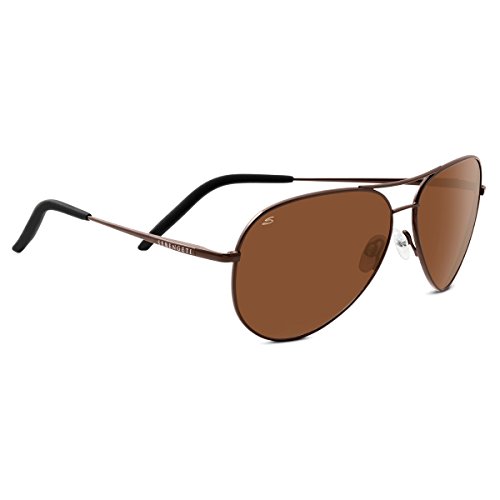
Serengeti 8297 Sunglasses Carrara 8297

Photochromic Sunglasses Men And Women: Preppy and polished, the RB2230 Bernard High Bridge Fit strikes a minimal profile in lightweight acetate and a slim construction.
Innovations in Photochromic Technology
Innovations in photochromic technology have continually reshaped the eyewear landscape, frequently pushing the boundaries of what consumers can expect. The global market for photochromic lenses is anticipated to surge to USD 2.4 billion by 2026, largely due to material improvements that enhance performance. For instance, Transitions GEN S™ lenses now darken in just ±25 seconds—faster than their predecessors and fading back in under two minutes. Innovative electrochromic stacks promise “instant sunglasses” with app control, highlighting the rapid evolution of this sector. Additionally, advancements in UV-activated materials guarantee durability and quicker response times. As manufacturers refine these technologies, consumers enjoy a blend of practicality and style, making photochromic lenses more appealing than ever—almost like having a Swiss Army knife for your eyes!
Variations for Different Outdoor Activities
Outdoor enthusiasts know that varying light conditions can transform a perfect day into a frustrating experience if eyes aren’t properly protected. For adventure sports and outdoor excursions, photochromic lenses serve as adaptive eyewear, enhancing visual comfort by adjusting to rapidly changing brightness. Whether hiking on shaded trails or cycling through sunny stretches, these lenses allow for seamless adjustments without the hassle of switching glasses. Traditional lenses offer gradual tint changes, promoting steady vision, while electronic versions provide quicker responses but can cause discomfort during changing light conditions. In water and snow sports, photochromics tackle glare without the need for multiple pairs, ensuring athletes maintain clarity across settings. This versatility makes them ideal for enthusiasts moving between different environments, especially as they provide UV protection when exposed to sunlight.
Recommended Products

Package Weight: 1.1 pounds

AMBOY Shiny Light Gold Champagne Translucide AB2749 Acetate

Model: Gregory Peck OV5217S
Leading Brands and Their Advances in Photochromics
While it may seem that selecting the right photochromic lens is as easy as picking a flavor at an ice cream shop, the truth is that a range of leading brands are actively reshaping the eyewear landscape with their innovative technologies. EssilorLuxottica’s Transitions™ leads the pack, offering top-tier lenses like Varilux® and Crizal®, appealing to diverse markets. Meanwhile, Carl Zeiss impresses with the rapid shift speeds of its PhotoFusion X lenses. HOYA’s Sensi line focuses on seamless adaptation, while Transitions Optical specializes in glare-reducing options like XTRActive Polarized. As the competitive landscape evolves, brands continue to innovate, incorporating advanced materials and customizable features, fostering a future where lenses adapt fluidly to every lighting condition. The global photochromic lenses market is expected to sustain growth driven by the increasing demand for versatile eyewear.
Recommended Products

DESIGNED TO GIVE YOU AN EDGE ON AND OFF THE FIELD — Wearable technology that allows you to capture photos and video recording, play music, and get answers with Meta AI, right from your smart AI glasses. Choose from a wide range of high-performance lenses designed to match your style for men and women, including Prizm, Prizm Polarized, Clear and Transitions.

FRAME FEATURES: PO2747S feature a rectangular, black frame with green polarized lenses.

Made in USA. Lifetime Warranty. – Crafted from aircraft-grade aluminum, every Blastshield frame carries the GATORZ lifetime frame warranty for enduring strength and peace of mind.
Frequently Asked Questions
How Long Do Photochromic Lenses Last Before Needing Replacement?
Photochromic lenses typically have a lifespan of 2 to 3 years. Replacement indicators include a noticeable decline in darkening ability and slower clearing, signaling the need for new lenses to guarantee peak vision quality.
Can Photochromic Lenses Be Prescribed for Children?
When it comes to children’s eyewear, photochromic lenses fit the bill perfectly. Offering numerous photochromic benefits, these lenses provide essential protection and convenience, ensuring kids enjoy their outdoor activities with minimal hassle and maximum comfort.
Are There Any Side Effects From Photochromic Lenses?
Photochromic lenses generally do not cause side effects, with user experiences suggesting benefits like UV protection and reduced eye strain. Over time, however, some may notice decreased darkening effectiveness, but no adverse health effects have been reported.
Do Photochromic Lenses Require Special Cleaning Products?
Like a delicate flower, photochromic lenses require gentle care. Recommended cleaning products include pH-neutral solutions and specialized lens cleaners. Employing proper cleaning techniques guarantees their longevity and peak performance, safeguarding these sophisticated optical enhancements from damage.
Can Photochromic Lenses Be Used With Prescription Eyewear?
Photochromic lenses can indeed be used with prescription eyewear, offering various lens customization options. Prescription compatibility factors make them suitable for single-vision, multifocal, and other designs, ensuring vision correction combined with light-adaptive functionality.


