As an Amazon Associate, we earn from qualifying purchases. Some links on this site are affiliate links at no extra cost to you. Our recommendations are based on thorough research and editorial judgment.


How Do You Prevent Blisters When Wearing Fins for Extended Periods?

To prevent blisters when wearing fins for long periods, make certain a snug fit by using fins that mold to your foot shape without pinching. Consider 2.5mm thick neoprene socks for cushioning and friction reduction. Adjust fin straps properly to minimize irritation and enhance comfort. Don’t forget skin care; clean, dry feet are essential. Regularly check for hot spots during dives. Stick around to discover more effective strategies and gear adjustments for a blister-free diving experience!
Key Takeaways
- Ensure fins fit snugly without pinching; adjust straps for open-heel fins to minimize movement and friction.
- Gradually break in fins with short sessions to mold them comfortably to your feet.
- Wear protective neoprene socks to reduce friction and maintain warmth during extended dives.
- Use quality waterproof sports tape on high-friction areas to prevent blistering from excessive rubbing.
- Maintain clean, dry feet and hydrate the skin minimally to avoid dryness without causing slippage.
Understanding Proper Fit and Break-in Techniques
Finding the right fit for fins is essential for any diver keen to avoid blisters and maximize comfort underwater. A properly fitting fin pocket should hug the foot shape without pinching or allowing too much movement, covering the heel for even pressure distribution. If slipping your foot in feels like wrestling an octopus, it’s too small and destined for a blister party. For new fins, gradual break-in sessions can help mold them to your unique foot shape, minimizing pressure points. Softer materials can flex better, so consider models with ergonomic footbeds. Additionally, wearing neoprene socks can reduce friction and prevent blisters during extended use. A proper fit fin enables smooth kicking, not the feeling of being constricted like a hot dog in a bun. Remember, comfort is key to a great dive!
Recommended Products

MOTUS TRIS DIVING SET - Seac Motus Tris Freediving and Spearfishing Set includes Seac Motus long dive fins, Seac One diving mask and Seac Jet snorkel; These all items come in a resistant shoulder bag

Open heel foot pocket features a heavy-duty bungee strap that allows for micro-adjustments to accommodate different boot types.

BUILT IN ARCH SUPPORT - Comes with built in arch support and a heel cup. The arch keeps the foot in a natural position which applies more power to your kicks and comfort when you're on land. The heel cup supports natural padding in your heel to absorb shock when walking.
Benefits of Protective Socks and Specialized Footwear
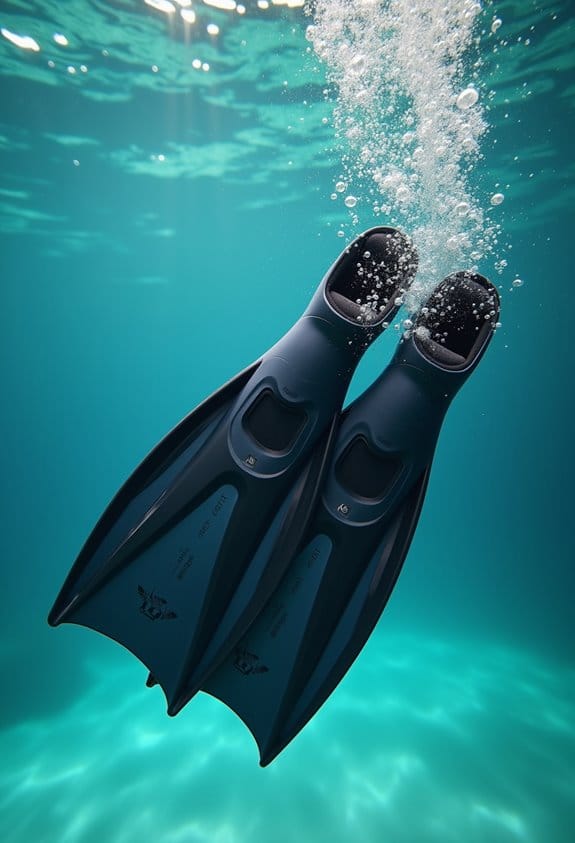
Protective socks and specialized footwear offer divers a trifecta of benefits: comfort, protection, and enhanced performance. These essential items, often made from sock materials like neoprene and lycra, create a cushioning barrier that minimizes friction reduction between feet and fins. By filling gaps in fin pockets, they secure the fit, helping prevent those dreaded hotspots that lead to blisters. Additionally, neoprene socks keep feet warm in cooler waters, reducing discomfort during long dives—think of them as your feet’s favorite cozy blanket! Plus, the textured soles prevent slips on wet surfaces, turning rocky beaches into stroll-friendly zones. Many dive accessories, such as silicone swim caps, also emphasize ergonomic design and comfort, highlighting the importance of well-fitting gear in aquatic activities. Overall, protective socks guarantee that divers can focus on enjoying their underwater adventures, not on nursing sore feet. Furthermore, they are suitable for divers of all experience levels, making fin fit and protection essential for everyone.
Recommended Products

Engineered for rescue experts in harsh conditions

Semi-rigid boots turn inside-out for fast drying
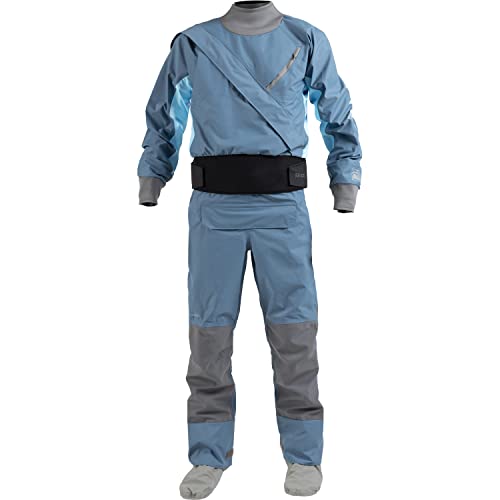
Advanced Hydrus 3.0 three-layer fabric: waterproof & breathable
Effective Protective Taping Techniques

Taping techniques play an essential role in preventing blisters for those who spend long hours in fins, akin to a well-fitted seatbelt that keeps passengers safe on a bumpy ride. The choice of tape materials matters; high-quality, waterproof sports tape offers durability and moisture resistance, while kinesiology tape provides flexibility and breathability. Application techniques are equally important—clean the skin thoroughly and let it dry before applying strips to high-friction areas like heels and sides of the feet. Using fins with adjustable straps can reduce excessive friction and complement taping efforts. Users recommend pre-cut tape for quick application, allowing for more time swimming and less time wrestling with rolls. Additionally, staying alert while traveling to dive sites can help ensure that distractions or fatigue do not lead to improper tape application. Proper removal involves gently peeling tape parallel to the skin, minimizing irritation. With these methods, adventures in the water can be blister-free and comfortable!
Recommended Products

Multi Layered Fiberglass Composite Hull

HERO+ LCD Camera with Built in Touch Display

QUICK & EASY INSTALLATION - Most RVs are already prepped for the Vision S camera system, eliminating extensive drilling requirements. Installation is also quick and straightforward for non-prepped units. Not compatible with Vision S+ systems.
Equipment Adjustments and Alternative Options
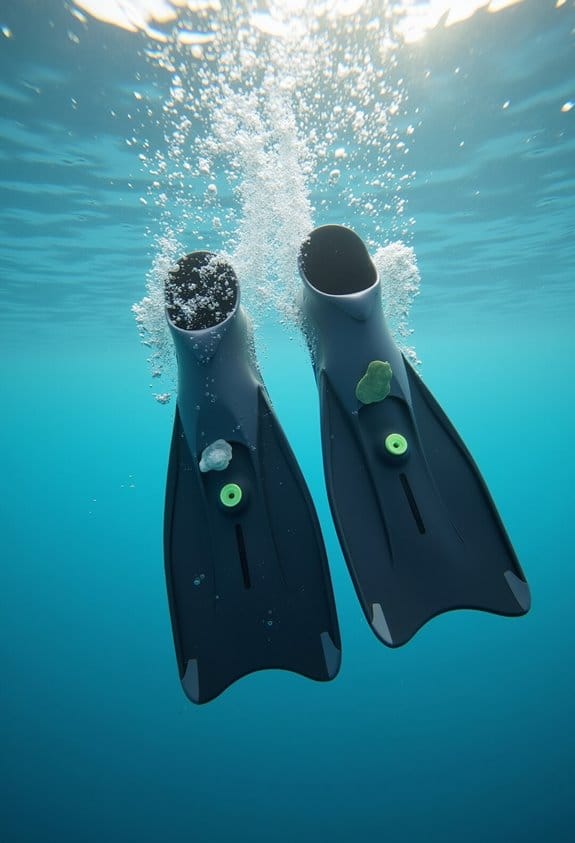
When seeking to enhance comfort and reduce blister risk while using fins, attention to equipment adjustments and alternative options can make all the difference. A snug fit of full-foot fins is essential, while open-heel fins with adjustable straps allow customized fitting to minimize foot slippage. Experimenting with neoprene socks or booties provides vital cushioning, greatly lowering friction. Shifting to spring strap systems not only simplifies on-off usage but enhances comfort too. Users often discover that layering socks can boost protection without feeling bulky. Additionally, replacing standard straps with softer materials can alleviate localized pressure points. Many swimmers find that selecting fins with orthopedic foot pockets significantly reduces fatigue and improves overall comfort. These equipment alternatives and adjustment techniques are key for ensuring that every dive feels like a smooth glide rather than a battle against blisters.
Recommended Products

The distinctive fin design sets the standard for power and durability with its sturdy rubber construction and beefy shape.

Comfort-Focused Foot Pocket – Soft, supportive design reduces pressure while maintaining a secure fit throughout the dive.

Blade’s central panel membrane auto-adjusts the angle of attack based on kicking strength, providing easier kicking when cruising and maximum power when needed.
Importance of Skin Care and Hygiene Practices

Achieving ideal skin care and hygiene practices can mean the difference between a comfortable dive and one filled with painful blisters. Proper skin hydration is essential; dry skin cracks easily, increasing blister risk. Apply non-greasy moisturizers to maintain skin elasticity, but avoid over-moisturizing just before diving to prevent slippage and unwanted friction. Using durable materials in swimwear and accessories can also help reduce irritation. Hygiene practices play an equally important role—clean and dry feet are imperative to avoid nasty surprises. A thorough wash removes dirt and sweat while absorbent powders can keep moisture at bay. Remember, sharing swim socks is a no-go; that’s a fast track to fungal infections. Keeping feet clean, hydrated, and protected creates a sturdy defense against blisters, allowing divers to focus on enjoying the underwater world instead of wincing with pain. Awareness of hot spots is crucial, as they signal potential blister formation early on.
Recommended Products

NATURAL LEAVE IN CONDITIONER - Light and non greasy organic scalp strengthening formula to detangle hair and restores the natural shine in dry damaged hair following sun or salt water exposure. Our sunscreen moisturizer makes your hair soft and healthy.

AFTER-SUN + STING CARE IN ONE GEL: Our Sun & Sting Soothing Gel is formulated for use after sun exposure and to soothe the skin after insect bites, jellyfish stings, and minor irritations. This 3-pack means one for your beach bag, one for your dive kit, one for the car.
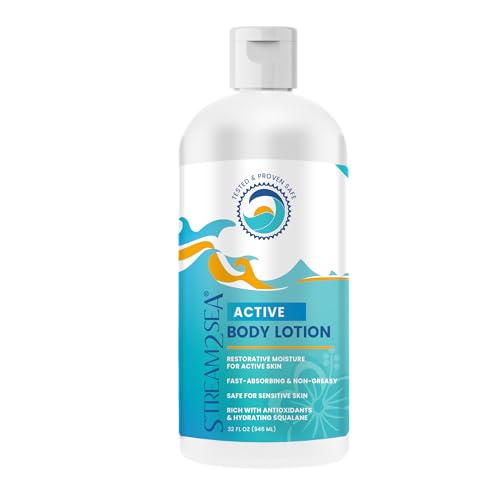
MOISTURIZE AND HYDRATE SKIN: Deeply hydrate and nourish your skin with our moisturizer body lotion which is Infused with Plant-Based Squalane, that increases moisturizing benefits and longer skin hydration.
Monitoring Hot Spots and Early Intervention Strategies

Effective skin care and hygiene practices lay the foundation for preventing blisters, but proactive measures in monitoring hot spots can save a dive from discomfort. Early hot spot detection is essential; divers should conduct brief “break-in” sessions with new fins and monitor areas prone to friction for redness or discomfort. Emphasizing tactile feedback, divers must pay attention to tight pressure points during use. Implementing periodic foot checks during extended swimming can halt skin irritation before it escalates. Recognizing hot spots as warnings, immediate protective measures—like applying adhesive tape—can avert severe blistering. Swim fins made from soft rubber or silicone materials can also reduce friction and improve comfort, lowering the risk of blisters. Skin becomes softer in water during extended use, increasing the risk of blistering, so with proper monitoring and early intervention strategies, divers can enjoy their aquatic adventures without the nagging pain of blisters, making for a much smoother underwater experience.
Educating Divers on Blister Prevention Techniques

While diving has thrilling underwater adventures awaiting, a little foresight in blister prevention can keep discomfort from crashing the party. Divers should educate themselves on blister causes, focusing on the importance of proper footwear. Wearing scuba socks, neoprene socks, or swim socks adds a much-needed cushion. These 1.5mm to 2.5mm thick socks greatly reduce friction and accommodate slightly loose fins, decreasing blister risk. Additionally, divers should invest in appropriately fitted fins—it’s like wearing a glove that fits just right. Open heel fins can sometimes exacerbate blistering if straps are not properly managed, so testing new gear through short swims helps spot hot spots before they become painful, making that extra effort invaluable. Using gear with adjustable straps can further enhance comfort and reduce pressure points. With the right techniques and gear, divers can conquer the depths without their feet suffering the consequences.
Frequently Asked Questions
Can I Use Regular Socks Instead of Specialized Fin Socks?
Using regular socks instead of specialized fin socks is typically ineffective. Fin sock advantages include reduced friction, moisture resistance, and thermal insulation, which regular socks cannot provide, increasing the risk of blisters during prolonged fin use.
How Often Should I Replace My Fins?
Fins should be replaced when performance declines due to compromised fin durability or if comfort issues arise, such as persistent discomfort or blisters. Regular inspection for wear can help guarantee peak fin function during diving activities.
What Materials Are Best for Fin Socks?
Neoprene thickness provides warmth and durability, while sock length guarantees a snug fit. Together, these elements enhance comfort during aquatic activities, minimizing friction and improving performance, consequently making them essential materials for effective fin socks.
Are Blister Prevention Products Waterproof?
Blister prevention products are not waterproof. Fin sock types like neoprene provide water resistance but do not keep feet dry. Wearing socks helps minimize friction and skin irritation, although they may still become wet during use.
How Should I Clean My Fins After Diving?
Nearly 75% of divers don’t know proper fin maintenance. To clean fins after diving, utilize effective cleaning techniques like mild detergent soaking, and guarantee proper drying methods by air drying in a shaded, ventilated area to prevent degradation.