As an Amazon Associate, we earn from qualifying purchases. Some links on this site are affiliate links at no extra cost to you. Our recommendations are based on thorough research and editorial judgment.

How Do You Choose Goggles for Open Water Versus Pool Swimming?

Choosing goggles for open water versus pool swimming requires understanding their specific features. Open water goggles typically have larger lenses for better visibility and peripheral awareness, perfect for maneuvering through waves. Pool goggles prioritize a snug fit to reduce drag. Look for UV protection and anti-fog technology in both types. Price ranges from $15 to $50, depending on features. A good pair can make the difference between a clear view and a frustrating swim, with key details waiting to be explored further.
Key Takeaways
- Choose open water goggles with larger lenses for enhanced visibility and navigation amidst natural debris and varying water conditions.
- Opt for pool goggles with a smaller, flatter design for hydrodynamics, minimizing drag during competitive swimming.
- Select polarized lenses for open water to reduce glare from sunlight, enhancing clarity when spotting hazards.
- Consider prescription goggles if you need vision correction, available for both pool and open water settings.
- Ensure UV protection in goggles for outdoor swimming, blocking harmful rays and reducing eye strain during sun exposure.
Understanding the Importance of Goggles
Why are goggles so essential for swimmers? They act as a protective barrier, shielding eyes from irritants like chlorine in pools or salt and sand in open water. With properly fitted goggles, swimmers minimize discomfort while maintaining eye health, enhancing swimmer confidence. A clear underwater vision is vital for maneuvering around obstacles, ensuring safety, and achieving peak performance. Using goggles with effective anti-fog technology helps maintain clear vision even during extended swims. Regular goggle maintenance, such as cleaning and applying anti-fog solutions, prolongs their lifespan and efficiency. Furthermore, well-maintained goggles help eliminate the stress of water stinging eyes, allowing swimmers—especially beginners—to focus on technique. Enhanced features like adjustable straps cater to individual needs, ensuring a custom fit. Additionally, selecting the right goggles based on the intended swimming activity maximizes enjoyment and effectiveness. In short, the right goggles are more than just accessories; they are essential tools for joyful, secure swimming.
Key Differences in Size and Shape

When selecting goggles for swimming, size and shape play a pivotal role in determining performance and comfort in different environments. Open water goggles typically feature larger lenses, enhancing visibility and peripheral awareness—a necessity for maneuvering through waves and fellow swimmers. These goggles utilize shape variations, like wide, curved lenses, to expand the visual field without compromising comfort. Additionally, many open water models use durable materials and designs that accommodate various foot sizes and shapes, similar to how flexible swim fins adapt to different swimmers. In contrast, pool goggles are smaller and flatter, prioritizing hydrodynamics to reduce drag during fast-paced laps. Size differences between the two styles cater to specific needs: swim masks offer maximum coverage, while streamlined pool goggles focus on a snug fit. Ultimately, choosing the right shape and size guarantees a perfect blend of comfort and performance, much like selecting the right shoes for a long race. Additionally, larger size in open water goggles helps keep more of the face warm in cold water conditions.
Lens Features for Optimal Vision

Selecting the right lens features for swimming goggles can transform a routine lap into an exhilarating experience, especially when clarity and comfort are at stake. Clear lenses are excellent for indoor swimming, ensuring maximum light transmission for optimized lens performance in low-light conditions. However, they may fall short outdoors, lacking glare protection. Conversely, polarized lenses shine in open water, filtering intense sunlight reflections and enhancing visibility. For bright conditions, mirrored lenses are akin to sunglasses for the pool, reducing overall brightness but less effective against glare compared to their polarized counterparts. Additionally, many goggles now come with UV protection to shield eyes from harmful rays during outdoor swims. Ultimately, choosing the right lens type is essential for visibility enhancement, allowing swimmers to navigate their environment—whether in a pool or open water—without the fuss of constantly squinting. When opting for goggles, it’s crucial to consider prescription goggles for those who require vision correction while swimming.
Recommended Products

Next-Gen AR Vision for Smarter Swimming: HOLOSWIM 2PRO integrates holographic resin optical waveguide technology with a 25° FOV, 128×64 px high-resolution AR display, projecting real-time pace, distance, laps, and heart rate directly before your eyes. No wrist glances. No interruptions. Just pure focus—see your swim as data, not guesswork

Finish fog-free and in gold with the most advanced anti-fog protection ever: Swipe Anti-Fog technology extends the life of your goggles by restoring the lens anti-fog coating to pristine condition

Please review the “INSIDE VISION” image carefully for additional information on the lens! For a strong mirror effect on the lens, choose the goggles designed for bright light conditions
Vision and Safety in Open Water

Vision in open water swimming requires more than just a good pair of goggles; it demands a thoughtful selection of features designed for safety and clarity. Visibility enhancement is paramount, as open water can involve glare and changing light conditions. Polarized lenses dramatically cut surface glare, providing clarity essential for spotting environmental hazards and avoiding collisions. Larger, curved lenses expand peripheral vision, critical for maneuvering through a sea of swimmers, buoys, and marine life. Goggles also act as shields against unexpected debris, ensuring clear sightlines. Additionally, high-quality models offer 100% UV protection to combat prolonged sun exposure, reducing eye strain and preserving long-term ocular health. Swim goggles with anti-fog technology are especially valuable in open water as they maintain clear vision despite varying temperatures and humidity. Swimming goggles not only enhance vision but also act as a defense mechanism against harmful substances in the water, promoting safer swimming experiences. Ultimately, the right goggles not only enhance vision but also promote safer swimming experiences.
Comfort and Fit Considerations

Finding the ideal fit in swimming goggles can transform a challenging swim into a delightful experience. Comfort hinges on several factors, including goggle shape and size. Open-water goggles, often larger and more curved, provide ample coverage and enhance pressure distribution. Soft silicone eyecups offer a cozy seal, helping to reduce discomfort. Many high-quality swim goggles also feature cushioned silicone seals to ensure a snug fit without causing irritation. Fit adjustments, like interchangeable nose bridges and customizable straps, cater to various face shapes. Swimmers appreciate quick modifications, especially during dynamic swims. Larger goggles also protect against cold water, ensuring warmth around sensitive areas. Innovative materials, such as honeycomb technology, not only boost comfort but also reduce goggles’ overall weight. Additionally, lens fit and visibility curve are crucial for effective swimming in open-water conditions. Ultimately, investing in quality allows for longer swims without the nagging irritation of improper fit.
Hydrodynamics for Performance

Goggles play an important role in a swimmer’s performance, acting as more than just eye protection; they can enhance speed and agility in the water. Goggle technology has advanced appreciably, focusing on hydrodynamic efficiency. Low-profile designs like the Arena Cobra Ultra or Speedo Fastskin Hyper Elite help reduce drag, allowing swimmers to glide through water with minimal resistance. A smaller surface area means less turbulence, which is vital for endurance, especially in open water. While larger goggles may feel comfortable, they can create unnecessary drag, subtly slowing a swimmer down. For those seeking every advantage, even a fractional decrease in drag can mean the difference between gold and silver, making the right goggle choice essential for competitive success. Proper fit and comfort are crucial, as ill-fitting goggles can distract and hinder performance during intense sessions. Custom-fit goggles tailored to individual facial structures enhance comfort and efficiency, ensuring an optimal swim experience. Additionally, pairing goggles with the right training fins can further improve hydrodynamics and propulsion for swimmers training in both pool and open water environments.
Environmental Factors to Consider

When swimming in open water, one might liken the experience to steering through an unpredictable sea filled with both beauty and challenges. Environmental factors play a critical role in choosing goggles. Open water demands environmental durability; goggles must withstand natural debris and varying water quality. Larger, curved lenses enhance visibility and navigation, while photochromatic lenses adapt to changing light conditions, ideal for flashing sunlight or lurking clouds. Swimmers should also consider goggles with polarized lenses to reduce glare and improve clarity in bright outdoor conditions. Pool goggles, however, focus on clear visibility with minimal tint and resist chlorinated damage. Materials should be flexible yet sturdy, sustaining performance under different temperatures. Swimmers can also seek eco-friendly options, as sustainable choices reduce plastic waste, showing that even goggles can contribute to protecting the environment while enhancing the swimming experience.
UV Protection and Eye Safety

Eye safety while swimming is not just an afterthought; it’s an essential consideration that can greatly influence one’s overall experience in the water. Goggles with UV certification block 100% of UVA and UVB rays below 400 nanometers, vital for open water where sun exposure is intense. Compliance with standards like ISO 18527-3:2020 guarantees goggles protect against eye irritation from both UV rays and chemicals. Swimmers should opt for those that disclose luminous transmittance values, adapting to various lighting conditions. A good pair minimizes the risk of photokeratitis, the painful sunburn of the eye. Additionally, TheMagic5 Swim Goggles provide protection from harsh UV rays, ensuring safety during outdoor swimming. With stylish mirrored or tinted lenses, swimmers can tackle the sun like a pro, avoiding UV damage while looking cool! Choosing goggles with UV protection is especially important for prolonged exposure during open water swims.
Recommended Products

UV Protection: Goggles provide 100% UV protection to shield eyes from harmful rays.

The M2001S Paragon professional divers mask offers TUSA’s NEW Reinforced TRI-MIX frame and Freedom Technology with Fit II

LIGHTNING-FAST TINT ADJUSTMENT: Revolutionary lenses adapt 1,800x faster than photochromic technology, automatically adjusting to changing light conditions in 0.1 seconds for unmatched visual clarity
Choosing the Right Lens Tint

Selecting the right lens tint for swim goggles can markedly enhance a swimmer’s experience, much like choosing the perfect playlist for a road trip. For open water, grey or mirrored lenses cut glare from the sun, while amber tints enhance visibility in murky conditions. Pool swimmers might prefer smoked lenses to diminish overhead lighting, with clear lenses offering comfort in dim settings. Tint suitability guidelines suggest choosing depending on the environment: photochromic lenses adapt well to light changes, making them ideal for variable conditions. Proper lens color significance not only reduces eye strain but also aids in depth perception. Additionally, UV protection is critical for outdoor environments to safeguard your eyes during prolonged exposure. Ultimately, picking the right tint balances performance needs and personal style, ensuring that every swim feels like a revitalizing plunge into clear waters. The choice between polarised lenses or mirrored options can further enhance your experience, particularly in bright, reflective environments.
Recommended Products
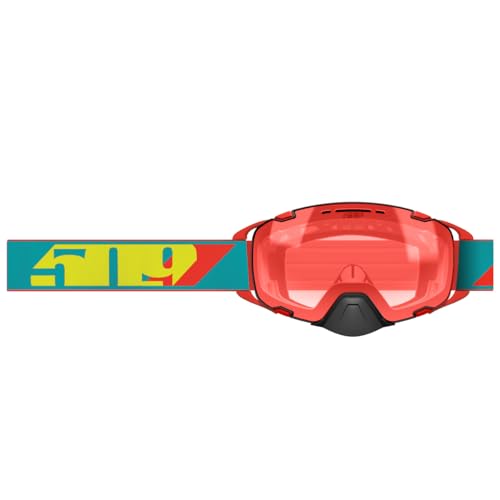
Soft goggle frame for unparalleled comfort and fit

Wiley X SG-1 Tactical Shooting Goggles Ballistic Rated Matte Black Frame Smoke Grey and Clear Lenses
Lightweight, versatile, and built to meet the highest safety standards in the industry, the SG1 functions as a true protective-eyewear hybrid of goggles and sunglasses.

☑️ ADVANCED ANTI-FOG TECHNOLOGY: The Tidal Mask comes fully equipped with the most advanced anti-fog technology available. The inside lens has a replaceable, anti-fog thin film that protects against fogging for at least a year, depending on use & care. The Tidal Mask is equipped with a secure travel case and additional anti-fog spray. Our anti-fog film technology can be prolonged and restored when paired with our anti-fog spray.
Adjustable Features for Customized Fit

Finding the perfect goggles means more than just picking the right lens tint; it involves ensuring a comfortable fit tailored to individual preferences and needs. Adjustable features, especially strap adjustments, enable swimmers to customize tension, accommodating various head sizes and shapes. Silicone straps are not only durable but also allow for quick adjustments without discomfort, making them ideal for both practice and competition. Double strap designs enhance stability in open water, reducing the risk of slippage or leakage. Additionally, interchangeable nose bridges facilitate fit personalization, accommodating different facial structures. Many top swim goggles also incorporate anti-fog coatings to maintain clear vision during extended use. A well-fitted pair minimizes pressure points, promoting comfort and sealing effectiveness. Overall, these adjustable features contribute greatly to a better swimming experience in pools or open water, enhancing comfort and safety crucial for young swimmers and their parents.
Recommended Products

Frameless masks are loved by many divers for their low-profile and ability to fold flat for easy carrying, even in a BC pocket.

【Full Face Snorkeling Mask】Immerse yourself in a panoramic underwater view with our innovative 180° full face snorkel mask, offering an unmatched field of vision for an unforgettable snorkeling experience. Breathe effortlessly through your mouth or nose and adjust the elastic band for a personalized fit. Ensure all hair is tucked into the mask without pressing against the silicone on the forehead.

UNPARALLELED RACING ADVANTAGE: Elevate your performance with these hydrodynamic mirrored racing goggles, integrating cutting-edge technology, precision fit and HD vision—the ultimate in swim gear
Versatility: Multi-Purpose Goggles
When swimmers are ready to elevate their game, investing in multi-purpose goggles can make all the difference. These versatile lenses cater to various environments, offering clear, blue, polarized, or mirrored options for different conditions. A simple pair can shift from the pool’s fluorescent lights to a sun-drenched open water setting without missing a beat. The comfort features of multi-purpose goggles, including adjustable straps and hypoallergenic materials, guarantee they remain snug and irritation-free. Enhanced visibility lets swimmers spot obstacles whether in a clear pool or a choppy lake. All these elements combine seamlessly, offering a pragmatic choice for swimmers seeking convenience and performance across multiple venues. Additionally, smart swim goggles ensure that swimmers can focus on their performance metrics without distractions, further enhancing their training experience. Upgrading one’s gear doesn’t have to feel like swimming upstream—it can be smooth sailing!
Recommended Products

Smart Swim 2 PRO is built with Corning Gorilla Glass 3—inside and out—delivering unmatched scratch and damage resistance, and a fog-free swim. Simply apply the included anti-fog spray before each swim and enjoy crystal-clear vision for the long haul. Designed for triathletes and swimmers of all ages and abilities by sport scientists and former Olympic athletes.
Premium Turkish Cotton: Experience luxury and softness with these high-quality, ultra-absorbent towels, designed for ultimate comfort and durability.

1. 【Extra-Large Capacity Storage】With an ultra-spacious 740-gallon storage space, it can easily hold various water entertainment equipment such as pool noodles, swimming goggles, kickboards, and balls. Say goodbye to clutter around the pool and keep your items neatly organized.
Frequently Asked Questions
Can I Use Pool Goggles for Open Water Swimming?
Using pool goggles for open water swimming is possible, but inadequate goggle fit and limited visibility can hinder performance. Water clarity and glare issues may compromise comfort and safety compared to dedicated open-water goggles.
How Often Should I Replace My Swimming Goggles?
Swimming goggles, akin to fine wine, have a fixed goggle lifespan, often demanding replacement every 1 to 2 years. Maintenance tips, like proper storage and cleaning, can surprisingly prolong their effectiveness. Timely replacements are essential.
What’s the Best Way to Clean My Goggles?
The best way to clean goggles involves gentle washing with lukewarm water, utilizing appropriate cleaning solutions. Implementing goggle maintenance tips, such as avoiding harsh chemicals, extends lifespan and guarantees ideal clarity for future use.
Are Prescription Lenses Available for Open Water Goggles?
Prescription options for open water goggles illuminate vision clarity like stars in the night sky. Vendors offer a spectrum of lenses, ensuring swimmers can traverse aquatic expanses with clear sight, adapting to individual corrective needs and outdoor conditions.
How Should I Store My Goggles to Prolong Their Life?
To prolong goggle life, rinse after use, dry with a microfiber cloth, and store in a protective case. Good storage tips include keeping them upright and in a cool, well-ventilated area away from sunlight.


