As an Amazon Associate, we earn from qualifying purchases. Some links on this site are affiliate links at no extra cost to you. Our recommendations are based on thorough research and editorial judgment.


What Are the Benefits of Using Kickboards in Swim Training?

Kickboards serve as indispensable tools in swim training, enhancing leg strength, kick technique, and core stability. By isolating the lower body, they allow swimmers to focus on building endurance and improving propulsive power. Plus, kickboards encourage proper body positioning and breathing techniques, all while boosting lung capacity! However, over-reliance can lead to bad habits like poor alignment. With steady use, swimmers can transform their performance remarkably, and more insights await those intrigued by these aquatic allies.
Key Takeaways
- Kickboards strengthen leg muscles, focusing on quadriceps and hamstrings, enhancing overall swimming power and propulsion.
- They isolate the lower body, allowing swimmers to refine kick technique and improve body positioning without upper body distractions.
- Using kickboards promotes core stability, helping swimmers maintain a streamlined posture and efficient body alignment in the water.
- Kickboards facilitate improved breathing patterns, enabling swimmers to focus on deep breaths while minimizing stress from stroke coordination.
- They provide buoyancy and confidence for novice swimmers, supporting gradual progression to more advanced swimming techniques.
Leg Strength and Endurance Development
Leg strength and endurance development through the use of kickboards can truly elevate a swimmer’s performance to new heights. By isolating the legs, kickboards focus on key muscle groups, like quadriceps and hamstrings, essential for powerful kicks. This targeted approach promotes muscle hypertrophy, helping swimmers build strength specific to their needs. Meanwhile, longer kick sessions enhance aerobic conditioning, allowing athletes to sustain effort without fatigue. It’s like training for a sprint while preparing for a marathon—both aspects matter! The added resistance from water strengthens the legs, ensuring swimmers generate more propulsion. Many kickboards incorporate ergonomic handles to improve grip and comfort during these extended workouts. In doing so, they experience better speed and efficiency, making kickboard workouts a must-have in anyone’s training arsenal. Targeted leg strength is crucial for improved swimming performance, helping athletes achieve faster times in races.
Recommended Products

Safe, Steady Power for Young Swimmers: Powered by a 250W motor and three-blade nylon propeller (3.2 inches/8cm diameter), this kickboard delivers 60N thrust at a child-friendly speed of 1.3mph (0.6m/s). The single-speed gear ensures simplicity for kids, while the 24V/4.5AH ternary lithium battery provides 60 minutes of continuous play – ideal for pool parties or swim lessons

ELECTRIC POWERED SWIM TRAINING:Motorized propulsion gives you effortless forward glide through the water—no more exhausting leg kicks. This electric kickboard provides steady power assist so swimmers can focus on technique and enjoy the swim, making every swimming more fun and effective.

ELEVATE YOUR GAME: the Alpha MK-1 Pickleball Paddle is engineered for high performance with a Polypropylene honeycomb core that offers optimal balance, durability, and flexibility
Kick Technique Improvement

While developing leg strength and endurance is a fundamental aspect of swim training, enhancing kick technique is equally important for achieving superior performance in the water. Kickboards allow swimmers to isolate their legs, focusing on refining kick rhythm and timing without the distraction of upper body movements. This targeted approach helps athletes correct inefficient habits, such as excessive knee bend, while improving ankle flexibility vital for effective propulsion. The repetitive motion fosters better ankle range, enabling swimmers to maximize thrust generation from their hips rather than relying solely on their knees. Using a grip kickboard with ergonomic handles and textured surfaces also improves stability and control during practice. Such technique improvements can translate into noticeably stronger flutter and dolphin kicks, making the swim feel as effortless as a swan gliding on water—graceful yet powerful. Additionally, as elite sprinters increasingly demonstrate, the importance of dolphin kicking significantly influences overall race performance, making proper kick technique even more crucial for success.
Recommended Products

3 Packs for Family / Group: you will receive 3 pieces of A-shaped kickboards; Sufficient quantity, allowing multiple people to use them simultaneously or in combination for training; Lightweight and easy to store, they are ideal for family outings, swimming lessons, or water sports, making them an essential companion for summer pool, beach, and water activities

What You Will Receive: the package contains 12 pieces of swim kickboards in different colors, easy to distinguish and practical for swimming training, adequate to meet your using and sharing needs
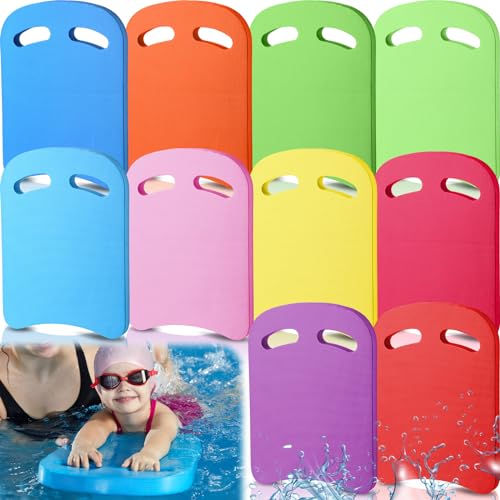
Enjoy Swimming Together: you will get 10 pieces of swimming kickboards in 5 different colors, each color comes with 2 pieces, meeting your needs for daily using and changing, and the sufficient quantity enables you to share with your family or friends, enjoying swimming together
Core Stability and Body Positioning

Kicking with a kickboard does more than just give legs a workout; it also serves as a fundamental tool for improving core stability and body positioning in swimming. When using a kickboard, swimmers must actively engage their core muscles to maintain an aligned torso, helping to prevent sinking or excess rocking. This practice develops strong abdominal and lower back muscles, essential for efficient swimming. The kickboard allows swimmers to isolate their lower body, enhancing awareness of how core engagement directly influences body alignment. As swimmers focus on maintaining a streamlined position, they learn to resist water turbulence effectively, reducing energy wastage—a win-win. Therefore, kickboard drills not only refine technique but also fortify the building blocks of effective swimming. Additionally, using a kickboard enhances leg strength through targeted practice and helps build foundational strength necessary for all swimming strokes. Many kickboards are designed with ergonomic grips to improve comfort and control during training.
Recommended Products

[LARGE SIZE AND STRONG BUOYANCY]: Hikeen swim kickboard upgraded and enlarged size:21in*15.8in*1.6in, unlike other kickboards that are smaller in size and have insufficient buoyancy to support, the large size provides super buoyancy, which can support the weight of both adults and children to stay afloat and not sink, and resist the various elements of the pool.

Elevates hips and legs to promote proper positioning

Kickboard for Swimming Training: these swim kickboards are designed for swim beginners and those who want to learn swimming; Each swimming kickboard have comes with handles which is easy to grip and is removable; The pool kickboard can help swimming beginners build their confidence and help them master the skill of swimming
Breathing and Oxygen Intake Benefits

The use of a kickboard not only enhances core stability and body positioning but also plays a significant role in improving breathing techniques and oxygen intake during swim training. With the freedom to breathe freely, swimmers can focus on deep, slow breaths, enhancing oxygen utilization while the legs work hard. This isolation of the lower body allows for the internalization of effective breathing mechanics, which can boost lung capacity by up to 20%. Additionally, kickboards minimize the stress of coordinating breaths with strokes, resulting in a more efficient oxygen supply. Swimmers can enjoy longer sessions without gasping for air, much like a relaxed dolphin gliding effortlessly through the water. Fundamentally, kickboards make every breath count! Furthermore, using a kickboard promotes a high hip position in the water, which is crucial for maintaining proper body alignment and enhancing overall kicking technique. Choosing the right equipment, such as those designed with ergonomic grips and appropriate size, can further optimize training effectiveness and comfort.
Potential Limitations and Posture Concerns

As swimmers plunge into training with kickboards, they often experience immediate benefits, yet prolonged use can expose several limitations and posture concerns that might go unnoticed. While kickboards bolster leg strength, they can promote poor body alignment, like elevating shoulders, leading to drag and inefficient kicking mechanics. This disruption can result in restricted ankle flexibility, forcing swimmers to kick more from the knees rather than the hips. The constant head elevation to breathe invites neck strain, while improper core engagement undermines the development of essential muscle coordination. Additionally, reliance on kickboards can reinforce bad habits, making the shift back to authentic swimming forms feel like training wheels on a bicycle well beyond the toddler years—difficult and cumbersome. To prevent these issues, it’s important to shift away from using floats as quickly as possible for more effective training. Choosing kickboards with ergonomic grips and proper buoyancy can help minimize some of these posture concerns during training.
Versatility and Stroke-Specific Training Advantages

While kickboards have their drawbacks, their versatility in swim training offers meaningful advantages for athletes aiming to refine their technique. Swimmers of all skill levels can benefit from kickboard adaptations, which allow focused leg work without arm involvement. These tools enhance leg strength and endurance, directly impacting propulsion in strokes like breaststroke and freestyle. Various shapes and sizes cater to individual training preferences, enabling targeted stroke-specific mechanics, including options with ergonomic grip designs for better handling. By isolating the legs, kickboards promote consistent rhythm and timing essential for competitive performance. With kickboard drills fostering muscle memory, swimmers experience improved technique, making these devices invaluable for effective training. Ultimately, kickboards serve as both versatile tools and fun training partners in the pool, supporting breathing practice for improved breath control and lung capacity.
Recommended Products

Modular Design & Easily Disassembled:Tini features a versatile modular design that lets you customize and disassemble it easily
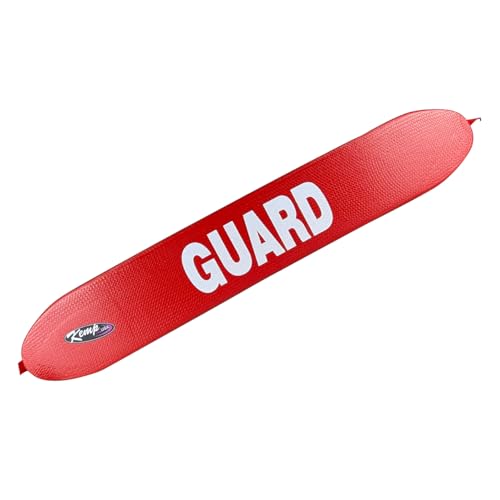
PROFESSIONAL TRAINING AND WATER SAFETY TOOL – The Kemp USA 40-inch training tube is designed for supervised aquatic instruction programs, lifeguard skill development, and swim safety practice. It is intended as a training accessory and is not a medical or emergency rescue resuscitation device.

Giant Swim Kick Boards: Oversized kickboards measure 36" tall x 20" wide x 1 3/8" thick for swim training, pool exercise, and recreational swimming for adults and kids
Frequently Asked Questions
How Often Should I Use Kickboards in My Training?
Like waves lapping at the shore, kickboard frequency in training sessions varies; beginners might practice 2-3 times weekly, while more advanced swimmers adjust their sessions, incorporating kickboards 1-2 times for peak performance and technique enhancement.
Can Kids Use Kickboards Effectively for Swim Training?
Yes, children can effectively use kickboards for swim training. Kickboard techniques promote child safety by reducing anxiety in water, allowing focus on leg propulsion while enhancing overall swimming skills and confidence in young swimmers.
What Age Is Appropriate to Start Using a Kickboard?
Experts recommend introducing kickboards around ages 4 to 6, following basic swimming skills. These age recommendations highlight the benefits of kickboards in promoting leg motion, balance, and coordination while ensuring safety and proper technique development.
Are There Specific Kickboard Designs for Competitive Swimmers?
Yes, specific kickboard designs address competitive swimming techniques, utilizing advanced kickboard materials like EVA or EPP. These tailor training for comfort, technique precision, and efficiency, enhancing performance while minimizing strain during rigorous training sessions.
How Do I Choose the Right Kickboard for My Needs?
To choose the right kickboard, consider kickboard materials for durability and glide, as well as kickboard sizes that match the swimmer’s body and skill level, ensuring maximum buoyancy and stability during training sessions.