As an Amazon Associate, we earn from qualifying purchases. Some links on this site are affiliate links at no extra cost to you. Our recommendations are based on thorough research and editorial judgment.


How Do You Prevent Swim Caps From Slipping During Practice?

Preventing swim caps from slipping requires a secure fit and some hair savvy. Position the cap snugly above the eyebrows, covering ears completely. Use protective styles like buns or braids and pre-wet hair to ease application. Silicone caps ($10-$30) grip better than latex or fabric options. Consider anchoring goggles over or under the cap for added stability. A sprinkle of baby powder can improve grip on slippery silicone. Discover more tips to enhance your swim cap game.
Key Takeaways
- Position the swim cap securely over the forehead and ensure it covers the ears completely to enhance hydrodynamics and grip.
- Use goggles as anchors by positioning them over or under the cap to stabilize it during swimming.
- Consider double capping with a latex or fabric cap under a silicone cap to increase comfort and reduce slippage.
- Pre-wet hair before wearing the cap to minimize friction and make cap application easier and more secure.
- Adjust the goggle strap tension around the cap perimeter to provide additional stability without causing discomfort.
Proper Fit and Placement of Swim Caps
When it comes to using swim caps, a proper fit and placement can make all the difference—imagine trying to race with a cap that’s more interested in taking a swim of its own! Ensuring precise swim cap placement involves positioning the cap crease lengthwise from front to back, centered on the head to reduce drag. The front edge should sit just above the eyebrows, with the cap pulled down to mid-forehead for secure cap alignment. Ears should be covered completely, promoting hydrodynamics while preventing slippage. Selecting caps with adjustable chin straps can further enhance the secure fit during vigorous swimming sessions. For a snug fit, gently stretch the cap with cupped hands before wearing, meticulously adjusting to eliminate wrinkles. Securing hair properly under the cap also plays a crucial role in maintaining its position while swimming. With these steps, swimmers can glide through the water without a rogue cap disrupting their performance.
Recommended Products

SUN-SMART COVERAGE: UPF 50+ fabric and a 2½" front, 2" side, and 2¾" back brim shield your face and neck from harsh UV rays. Dark underbrim reduces glare for clear vision on hikes, water, or open trails.

Small-Medium: Head circumference 21.5-22.75" / 55-58cm

UPF 50+ MAXIMUM SUN PROTECTION: Made with Solbari’s premium UV-protective fabric, this hat blocks 98% of UVA & UVB rays, shielding your face and neck from sun damage. A must-have for beach, pool, boat, and outdoor adventures.
Hair Preparation and Management

Proper hair preparation lays the groundwork for a comfortable swim and a secure swim cap fit. To start, hair detangling is essential; ensuring hair is fully detangled prevents snags and improves the cap’s fit. Employing protective hairstyles, such as high buns or braids, reduces the exposed hair surface area, minimizing drag. Pre-wetting the hair with clean water helps prevent chlorine absorption while smoothing the application of the swim cap. For added protection, applying leave-in conditioner or natural oils forms a barrier against chemicals, enhancing grip and hydration. A secure arrangement, using elastic ties or scrunchies, keeps styles tight. Just like how an unmade bed can be a hassle, tangled hair during practice can lead to a slippery cap experience, so preparation is key! Additionally, incorporating hydroprotective measures like pre-conditioning can further ensure that hair remains hydrated and healthy while swimming. Choosing swim caps made from elastic silicone materials can also improve fit and reduce slipping during practice.
Recommended Products

【Massive 120-Pack Bulk Supply】Stock up with 120 swim caps (40 Black, 40 Navy, 40 Rose Pink; 20/10 per size per color) — ideal for swim teams, fitness centers, schools, or large-scale events, eliminating the hassle of frequent restocks.

Remy Human Hair: The tape-in extensions are made from real human hair with preserved cuticles to support a natural appearance and texture; all hair extensions are certified as real human hair, with inspection report certificates available

The world's first cap featuring the IQfit profile, and designed using accurate head mapping data
Materials and Types of Swim Caps

Swim caps, the unassuming yet essential gear in every swimmer’s toolkit, come in a variety of materials, each with its own unique benefits and drawbacks. Silicone swim caps offer durability and a hydrodynamic fit, ideal for competitive swimmers, while their cost—around $10 to $30—reflects their longevity. In contrast, latex caps, more affordable at $5 to $15, provide a secure fit but can pull hair and tear easily. Fabric caps are comfy but not waterproof, serving mainly as undercaps for added comfort. Neoprene caps shine in cold water, though their bulkiness can feel akin to wearing a cozy hat. Overall, selecting the right swim cap type hinges on balancing performance and comfort to prevent annoying slippage during practice. Material choice impacts not only the cap’s durability but also how well it stays in place during intense swimming sessions. For enhanced comfort and fit, some swimmers use custom molded earplugs to reduce distraction and maintain focus while training.
Recommended Products

Bye Bye Knots Yaki Straight Wigs for Women: 100% brazilian virgin human hair, Non-destructive Hair Coloring Process, Natural and Healthy, Shinny and Smooth, No Smell, No Shedding, Tangle Free, Quick & Easy, 30 Seconds Install for the Most Natural everyday Look

LARGE CAPACITY: The portable scuba diving tank kit comes with a 0.53 quart gas tank and 3.0 cubic feet of gas capacity, which allows beginners to stay underwater for about 10 minutes, fully satisfying their needs and allowing them to fully experience the charm of the sea. A metal pressure relief valve and engineered exhaust switch eliminate excess air pressure in a timely manner for better protection and peace of mind.

World's fastest FINA-approved racing swim cap combines innovative 3D Aquaforce features and a unique design for the highest level of swimming performance and comfort
Use of Goggles as Anchors
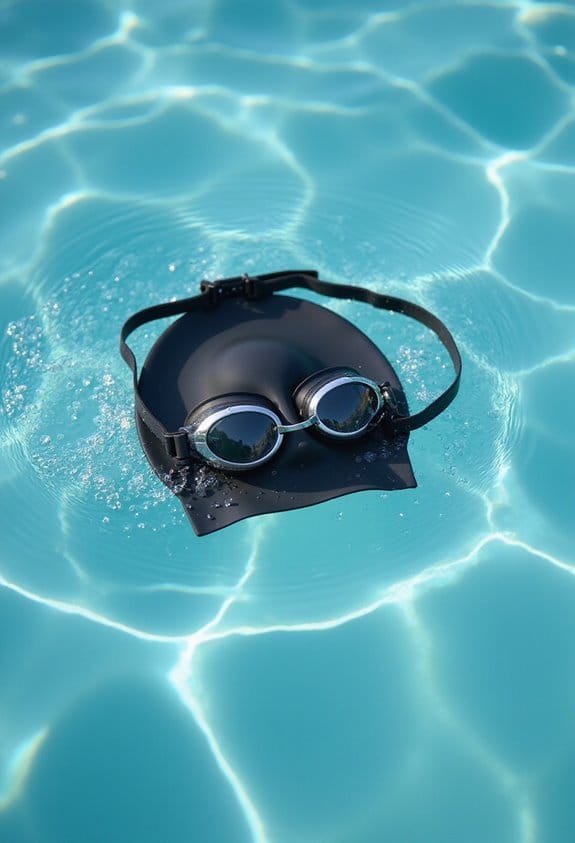
Goggles can play a pivotal role in securing swim caps, transforming a typical swim practice into a more streamlined experience. When worn over or under swim caps, different goggle styles help create stability and prevent slippage during vigorous training sessions. Positioning the goggle strap around the perimeter of the swim cap adds anchor support, while wearing goggles under the cap can grip the strap directly, minimizing movement. Additionally, the right tension on the goggle strap avoids discomfort, ensuring both cap and goggles stay in place. For swimmers tackling open-water conditions or competitive events, bright-colored caps paired with snug goggles enhance visibility and performance, which helps in maintaining proper hydrodynamics in the water. Choosing goggles with adjustable straps can significantly improve this fit and stability. Ultimately, combining these elements allows for a smoother, distraction-free swim practice—like gliding through water with confidence!
Recommended Products
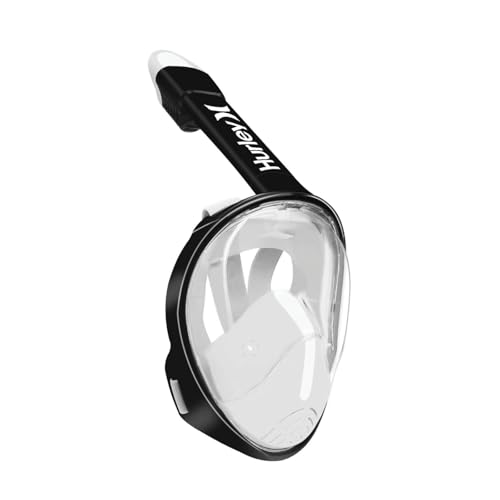
Uniquely Designed: The Hurley full face snorkel mask is made with durable lens that offers a panoramic view for an enhanced snorkeling experience. Snorkel mask with nozzle has a revolutionary design that lasts

Large wheeled luggage ideal to carry scuba diving equipment and other water activity gear like long fins for freediving. Made of 300 and 400 Denier fabric that is light and very strong.

DUAL-MATERIAL CONSTRUCTION FOR PERFORMANCE - Crafted with two materials and over-molded side ribs, the Mares Avanti 4X Fins offer powerful thrust and lasting comfort; Perfect for divers seeking responsive, open-heel fins with advanced underwater performance
Additional Grip Techniques and Accessories

Achieving a secure fit with a swim cap can feel like trying to keep a cat in a bathtub. To enhance grip, users can try baby powder for friction, especially with slippery silicone caps. Sprinkle sparingly on dry hair before donning the cap. For added security, the double capping technique—wearing a fabric or latex cap underneath a silicone one—often works wonders, providing both comfort and reduced slippage. Furthermore, hair preparation is crucial; securing long hair in a tight bun can flatten the profile, optimizing cap fit. Accessories like swim goggles can anchor the cap further, ensuring it stays put. Additionally, swim caps serve recreational and competitive swimmers, offering protection while also enhancing performance. Choosing caps made from silicone material can also improve grip and durability. Following these usage tips may bring swimmers closer to achieving that elusive perfect fit, making practice a bit less like wrestling.
Recommended Products

【Upgraded Pro Quality Real Human Hair】Sweetmet invisible clip in hair extensions real human hair craft from new upgraded luxury remy human hair. This pro quality hair has greater comfort and longevit, no knots, no dryness, smooth and soft.

Durable, double layer swimsuit for waterpolo

Durable, double layer swimsuit for waterpolo
Head Position and Environmental Factors

When it comes to swim caps, head position plays a surprisingly pivotal role, almost like the way a kite dances against the wind. Proper head positioning reduces water resistance by lowering the forehead, minimizing the upward push that can cause caps to slip. A head positioned too high creates pressure beneath the cap, exacerbating dislodgment, especially in turbulent water. During practice, maintaining a streamlined alignment helps combat environmental turbulence and promotes cap security. Additionally, wearing the cap low on the forehead guarantees a snug fit, while covering the nape stabilizes it during swift movements. Selecting caps made from high-quality silicone can also enhance grip and reduce slipping during vigorous activity. Proper technique can help prevent caps from coming off during strokes. With a little focus, swimmers can harness the elements and enhance their comfort, lessening distractions in the pool like an expertly flown kite!
Regular Maintenance and Care for Swim Caps
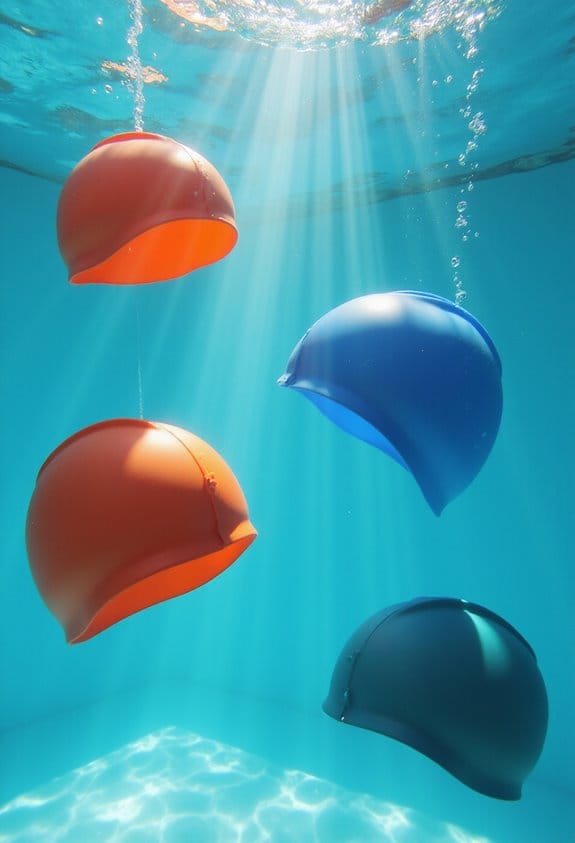
Maintaining swim caps may not seem like a priority, but regular care can extend their lifespan and effectiveness, much like how a well-oiled machine performs better than one left to rust. Immediate post-use rinses with fresh, cool water remove chlorine and salt, preserving the cap’s materials. For cleaning, lukewarm water and a mild, chlorine-free soap work wonders. Avoid hot water and harsh detergents at all costs. Using eco-friendly silicone caps also helps in maintaining durability during regular use. When drying, pat the cap with a soft towel and let it air dry away from sunlight. For storage, use breathable mesh bags and keep the caps in a cool, dry place. Following these cleaning techniques and storage tips can keep swim caps performing swim-tacularly and in great shape for each splashdown! To further enhance care, regularly apply talcum powder inside the cap to absorb moisture, ensuring a comfortable fit during your next practice.
Frequently Asked Questions
Can Swim Caps Help Protect Against Sun Damage During Outdoor Swimming?
Like a shield against the sun, swim caps aid in sun protection during outdoor swimming by covering the scalp, reducing UV exposure, and helping prevent sunburn, while also protecting hair from damage caused by sunlight.
What Are the Best Colors for Swim Caps in Open Water?
Bright colors like fluorescent pink, yellow, and orange optimize visibility factors for swimmers in open water, enhancing detection against various backgrounds. Using these colors helps guarantee safety and reduces the risk of accidents with watercraft.
How Often Should I Replace My Swim Cap?
Swim caps, much like fleeting moments in water, require timely renewal. Typically replaced every three to six months, their lifespan hinges on materials and diligent maintenance, ensuring they remain protective shields against the splash and chaos of swimming.
Do Swim Caps Come in Different Sizes for Better Fit?
Swim caps come in various sizes and types, such as silicone and neoprene, offering different size options to guarantee a better fit. Proper sizing accommodates head dimensions, hair length, and volume, enhancing comfort and functionality.
Can Swim Caps Prevent Ear Infections in Swimmers?
“An ounce of prevention is worth a pound of cure.” Swim caps provide minimal ear infection prevention, primarily due to their materials; they protect hair and reduce water exposure but require ear plugs for effective protection.


