As an Amazon Associate, we earn from qualifying purchases. Some links on this site are affiliate links at no extra cost to you. Our recommendations are based on thorough research and editorial judgment.


How Do You Properly Insert Ear Plugs to Prevent Water Entry?

To properly insert ear plugs and prevent water entry, first, clean your hands and guarantee the plugs are free of debris. Roll foam plugs into a tight cylinder before gently pulling the outer ear upward. Quickly insert the plug with a slight twist and hold for 20-30 seconds to achieve a snug seal. If it protrudes or feels uncomfortable, readjust for a better fit. A good seal is like a tight lid on a jar—essential for keeping water out! Discover more helpful techniques.
Key Takeaways
- Clean your hands thoroughly before handling earplugs to maintain hygiene and prevent infections.
- Roll foam earplugs into a tight, crease-free cylinder for easier insertion.
- Gently lift the outer ear upward and backward to align the ear canal for a better fit.
- Insert the earplug quickly with a slight twisting motion and hold it in place for 20 to 30 seconds.
- Ensure a deep, snug fit by checking for any protrusion or discomfort after insertion for effective water prevention.
Understanding the Importance of Proper Ear Plug Use
Understanding the importance of proper ear plug use is fundamental for anyone traversing environments where water and noise pose risks to hearing and health. The right fit and seal in earplugs directly impact their effectiveness. Poorly fitted earplugs allow water to sneak in like a mischievous cat while also compromising noise reduction. Foam earplugs typically offer superior fit stability, maintaining their barrier over time compared to premolded types. Users should prioritize fit testing to verify adequate seal quality, ensuring maximum benefits from both noise attenuation and water prevention. Regular checks during prolonged wear are essential; otherwise, comfort turns to discomfort faster than forgetting your beach towel. Ultimately, choosing quality earplugs adds a layer of safety and enjoyment to aquatic adventures. Moreover, the effectiveness of earplugs in preventing temporary hearing loss is well-supported by recent studies. Many waterproof ear plugs are made from soft silicone featuring a 3-flange design that enhances water blockage and comfort during use.
Preparing Your Ear Plugs for Insertion

Before immersing oneself in the world of earplug use, it’s crucial to prepare them properly for insertion. First, wash hands thoroughly—cleanliness is key to maintaining earplug hygiene and preventing infections. Next, verify the earplugs are debris-free, storing them in a clean, dry container. Rolling the foam into a thin, crease-free cylinder is essential; aim for a diameter of 5.0 to 6.5 mm for effortless insertion. This should be done swiftly to avoid premature expansion. Throughout preparation, handle the earplugs gently using fingertips for better control; rough handling can turn a soft sponge into an unyielding rock! Additionally, choosing earplugs made from silicone materials can enhance comfort and provide a better seal against water. Finally, inspect the plugs for any flaws. A well-prepared earplug leads to a snug fit, keeping unwanted water at bay while you immerse yourself in adventure. Proper ear protection is essential in noisy work environments, as it can help prevent long-term hearing loss.
Recommended Products


THE ORIGINAL AND #1 SELLING - USA’s original and #1 selling moldable silicone ear plugs. Provides safe, non-toxic, non-allergenic waterproof protection and protects hearing from loud noises.

THE ORIGINAL AND #1 SELLING - USA’s original and #1 selling moldable silicone ear plugs. Provides safe, non-toxic, non-allergenic waterproof protection and protects hearing from loud noises.
Techniques for Straightening the Ear Canal

How can one guarantee a smooth earplug insertion experience? Understanding ear canal anatomy is essential. For adults, straightening techniques involve gently lifting the pinna—pulling it upward and backward—aligns the canal’s bony and cartilaginous segments. This reduces any twists, making insertion safer and less painful. For infants, pulling the pinna horizontally backward is key to achieving the same effect, making certain of comfort and accuracy. When using these techniques, one should place a hand lightly on the patient’s face for stability. Additionally, performing otoscopy can help ensure that the ear canal is clear before inserting ear plugs. Proper fit and comfort are crucial for preventing water from entering the ear canal, which can be achieved by selecting ear plugs made from high-quality materials. Unruly ear canals can be like trying to fit a square peg into a round hole; a straightened canal ensures that plugs fit snugly, reducing the risk of water entry and promoting effective sealing.
Recommended Products

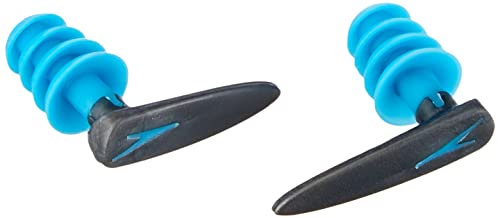
Speedo Biofuse swimming ear plugs

Keep Water Out, Let Sound In: SurfEars are the world’s only surfer ear plugs that help protect your ears without affecting your hearing
Steps for Correct Insertion of Ear Plugs
Inserting earplugs correctly can feel like a balancing act between comfort and effectiveness, and it starts with the preparation. First, one must roll the foam earplug types into a small, tight cylinder, ensuring clean hands to avoid contamination. Compress it firmly along its length, creating a slim shape for easy insertion. Next, use the opposite hand to gently pull the outer ear upward and backward, aligning the ear canal. While maintaining this position, insert the compressed plug quickly and with a slight twisting motion. Hold it in place for 20 to 30 seconds, allowing the foam to expand and seal effectively. Proper insertion is key to achieving a snug seal that prevents water entry and reduces the risk of ear infections. Proper placement enhances the effectiveness of the seal, providing better protection against water entry. Practicing these insertion techniques enhances both comfort and performance, ensuring the earplugs remain snug.
Recommended Products

PROTECT YOUR HEARING: Helps provide hearing protection in environments with hazardous noise

Howard leight firm fit earplug refill for HL400 Dispenser, 800 pairs (two 400-pair canisters), NRR 30 (HL400-FF-REFILL)
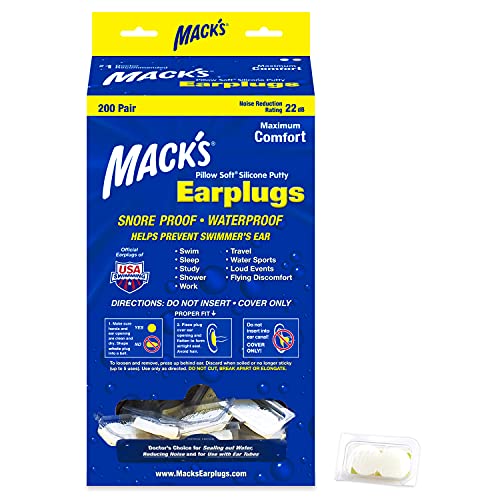
THE ORIGINAL AND #1 SELLING - USA’s original and #1 selling moldable silicone ear plugs. Provides safe, non-toxic, non-allergenic waterproof protection and protects hearing from loud noises.
Ensuring a Good Seal for Maximum Protection

Achieving a solid seal with earplugs is akin to finding the perfect fit for a favorite pair of shoes—too loose, and discomfort and ineffectiveness follow. A proper seal is critical; it prevents water infiltration by blocking the ear canal entrance effectively. The anatomy of the ear canal varies for each person, making seal quality assessment vital. Foam earplugs generally outperform premolded varieties, as their expanding nature adjusts better to ear contours. Users can enhance their experience by guaranteeing the plugs fit deeply yet comfortably. It is important to choose earplugs made from non-toxic silicone to ensure both comfort and hygiene. One-on-one training can significantly impact earplug insertion effectiveness, ensuring optimal fit and maximizing protection. Remember, an earplug that shifts during talking can compromise protection, much like a wobbly chair. Consequently, selecting appropriate sizes and maintaining regular replacements helps guarantee maximum water protection and auditory safety.
Recommended Products

#1 BRAND FOR PREVENTING EAR INFECTIONS - Mack’s is the #1 Doctor Recommended Brand of moldable silicone earplugs to help prevent swimmer’s ear infections (otitis externa). Safe for use with ear tubes. Provides water protection after ear surgeries. Recommended for kids 6 years old and under.

Simple and Convenient: The Ear Pressure Relief Device utilizes stable airflow to effectively relieve ear pressure by quickly opening the Eustachian tubes during swallowing, relieve ear discomfort and negative pressure.

NOISE REDUCTION EAR PLUGS: Provides Max Noise Reduction For Indoor & Outdoor Activities ! Perfect For Sleeping, Shooting, Landscaping, Concerts, And All Other Loud Activities!
Common Mistakes to Avoid During Insertion

Many users discover that a few common mistakes can lead to frustrating experiences when inserting earplugs. For instance, improper rolling technique can create uneven compression, making it difficult to achieve a good seal. Additionally, neglecting to pull the ear up and back can hinder access to the ear canal, resulting in shallow insertion. Users often fall into a trap of hurriedly inserting plugs without proper depth checks, risking discomfort or injury. Hygiene matters too; handling plugs with dirty hands or reusing them improperly can raise infection concerns. Engaging in earplug troubleshooting highlights that forcing plugs in or ignoring discomfort may lead to unexpected ear canal drama. Using reusable and washable earplugs requires extra attention to cleanliness to prevent infections. Ultimately, avoiding these common insertion errors can enhance users’ experiences and ear protection, as proper insertion techniques are crucial for maximizing the efficacy of the earplugs.
Checking for Proper Fit and Comfort
How can someone guarantee their earplugs fit properly and provide the comfort needed for effective noise reduction? Proper fitting techniques include ensuring the end of the earplug rests just beyond the tragus and fits snugly into the concha. If it protrudes too much, the fit is likely too shallow. A comfort assessment is essential: earplugs should feel snug yet painless, passing the “tug test” for secure placement. If sounds still penetrate through, a re-insertion is necessary to achieve that coveted muffled ambiance. Visual tools, like a mirror, assist with a quick check. Additionally, take a moment for tactile examination—earplugs should hold their shape without creases, ensuring a reliable fit that’s as unyielding as a stubborn cork in a wine bottle! Many workers exposed to hazardous noise fail to utilize proper hearing protection, making fit even more crucial. Choosing earplugs with a high Noise Reduction Rating ensures better protection when the fit is correct.
Maintaining Ear Plugs for Longevity

Earplugs, small yet mighty defenders against noise, require attentive maintenance to ascertain their longevity and effectiveness. Regular cleaning is essential; users should wash reusable earplugs with mild soap and warm water after each use, and avoid harsh chemicals that could damage them. Keeping to a cleaning frequency ensures they remain functional, while also eliminating bacteria. Users must inspect earplugs frequently for replacement indicators—cracks, discoloration, or diminished noise-blocking ability signal it’s time for a change. Foam earplugs typically last for 3-5 uses, while silicone ones last 2-4 weeks. Proper storage also matters; a clean, dry case protects against contamination, reducing the risk of unpleasant surprises in your ear! With care, proper fit can be trusted allies for many adventures. Additionally, choosing earplugs with a high Noise Reduction Rating enhances both protection and comfort during use.
Recommendations for Water-Resistant Ear Plugs
Finding the right water-resistant ear plugs can be as invigorating as a cool splash on a hot day, especially for those who spend time in pools, lakes, or the ocean. Silicone putty plugs are often hailed for their ability to mold to unique ear shapes, ensuring a snug fit that keeps water out. For eco-conscious swimmers, brands offering plugs made from recycled ocean plastics present excellent eco-friendly options without sacrificing performance. Look for models with waterproof mesh designs for safer swimming while still hearing ambient sounds. Solid wings or seal rings can enhance stability during water sports. For preventing surfer’s ear, these ear plugs promise both comfort and durability—an essential duo for any aquatic adventure. Choosing ear plugs with ergonomic designs can further improve comfort and reduce slippage during prolonged use.
Recommended Products

Truly wireless earbuds with soft cushioned arc supporter

True Professional Hearing Aids:It Is A True Professional OTC Hearing Aids,Not Amplifier.It Can offer Adjustable, Stable Crystal Clear Hearing Support

MP3 + Bluetooth (Bluetooth for land use only) + Shokz App - Stream music and podcasts via Bluetooth on land, or switch to MP3 mode for phone-free listening in and out of the water. MP3 mode supports storage for up to 8,000 songs. Use the Shokz App or the physical button to toggle between modes and customize your audio. Important: Bluetooth does not work underwater — use MP3 mode while swimming.Universal compatibility: Seamlessly pairs with Android, iOS, Windows, and other Bluetooth-enabled devices.
Best Practices for Ear Health and Hygiene

Maintaining ear health and hygiene is akin to tending a well-balanced garden; neglecting one aspect can lead to a tangle of problems. Over 90% of people engage in self-ear cleaning, often using cotton buds, which risks pushing wax deeper. Instead, it is advisable to clean only the outer ear with a washcloth. The natural cerumen serves as a protective barrier, preventing water intrusion and infection. Additionally, exposure to loud noises can cause irreversible damage, so using ear protection in noisy environments is significant. Monitoring noise levels below 70 decibels is essential for cochlear health. Using waterproof ear plugs during swimming can help prevent water entry and reduce the risk of ear infections. To conclude, effective ear cleaning and proactive noise exposure management are critical for lasting ear wellness, ensuring ears remain healthy and happy!
Frequently Asked Questions
Can Children Use Standard Ear Plugs for Water Activities?
Standard earplugs may not be suitable for children during water activities; child friendly earplugs designed for swimming safety provide a better fit and protection against water entry, minimizing the risk of ear infections and discomfort.
Are There Specific Ear Plugs for Sensitive Ears?
Specific earplugs designed for sensitive ears include soft silicone options and custom molds. These materials guarantee ideal comfort, adaptability, and effective sealing against water while minimizing the risk of irritation and allergic reactions during use.
How Do You Clean Reusable Ear Plugs Effectively?
Like a gardener tending to delicate flowers, one should employ gentle cleaning materials, avoiding harsh chemicals. Employ effective drying techniques to guarantee reusable earplugs remain sanitized, preserving their longevity and safeguarding ear health with each careful maintenance session.
Can Ear Plugs Help With Swimming Ear Infections?
Earplugs can greatly enhance swimming safety by providing ear protection against water entry, thereby reducing the risk of swimmer’s ear infections. Their effectiveness is particularly notable for susceptible individuals, ensuring a healthier swimming experience overall.
What Should I Do if Ear Plugs Cause Discomfort?
Discomfort from earplugs can lead to concern. Gently removing them offers relief. Exploring ear plug alternatives, such as custom-fit options or different materials, may enhance comfort, mitigating irritation and ensuring a more pleasant experience.