As an Amazon Associate, we earn from qualifying purchases. Some links on this site are affiliate links at no extra cost to you. Our recommendations are based on thorough research and editorial judgment.

How Do You Extend the Lifespan of All Your Swimming Equipment?

To extend the lifespan of swimming equipment, maintain a consistent cleaning schedule and monitor water chemistry. Rinse gear immediately after use, keeping chlorine levels between 1-3 ppm for peak performance. Regularly check filters, backwashing as needed, and inspect pumps for any signs of wear. Store items in ventilated, moisture-controlled areas, using UV-resistant materials. Think of it as giving your equipment a spa day, ensuring it’s pampered and always ready for action. For more insights, keep close!
Key Takeaways
- Regularly clean and maintain equipment by rinsing and soaking after each use to remove chlorine and debris.
- Monitor water chemistry to keep pH levels between 7.2-7.6 and chlorine between 1-3 ppm for optimal equipment health.
- Store equipment in a dry, temperature-stable environment, using UV-resistant covers and ventilated cabinets to protect from moisture and heat.
- Invest in high-quality materials like fiberglass pools and silicone gear to enhance durability and reduce long-term replacement costs.
- Educate users on proper maintenance practices, including regular inspections and cleaning protocols, to catch issues early and extend equipment lifespan.
Regular Cleaning and Debris Removal
Maintaining swimming equipment requires diligence, especially when it comes to regular cleaning and debris removal. A consistent cleaning schedule is essential to combat debris accumulation, ensuring that swim gear remains functional and aesthetically pleasing. Rinsing suits, goggles, and caps immediately after each swim preserves the materials by removing harmful chlorine and salt. A gentle soak in clean water for 2–3 minutes can eliminate lingering residues, much like the spa day every swimmer’s gear deserves. Regularly clearing debris from filter baskets and pump strainers is equally important; think of it as giving your equipment a well-deserved spa treatment. Using durable materials such as neoprene or high-density EVA foam in your swimming aids can also help extend their life by resisting chlorine damage. By prioritizing these simple tasks, equipment longevity increases, and swimmers can enjoy their gear without worrying about premature wear and tear. Proper maintenance not only extends the lifespan of swimming gear but also enhances comfort and performance in water.
Recommended Products

Two-function rake works in water and on land

BE STYLE READY: Our revitalized Classic Galosh transforms a purely utilitarian product into an indispensable statement for style-conscious people worldwide. Its waterproof surface repels water with every step, even in the most treacherous puddles. Rejoice! Rain, snow, or sleet are simply no match for these. These are the perfect fit for every type - the avid traveler, the city commuter, the outdoorsy action man, or the laid-back easy goer!

【WHAT'S IN THE BOX】The Splash Box includes all the essentials for serious swimmers, consisting of chlorine removal body wash, swimmers shampoo and conditioner, and a lotion 8.5 fl oz. Additionally, it contains Skin Slick spray skin lubricant 1.5 oz, Foggies defog lens wipes for goggles, and a loofah.
Maintaining Proper Water Chemistry
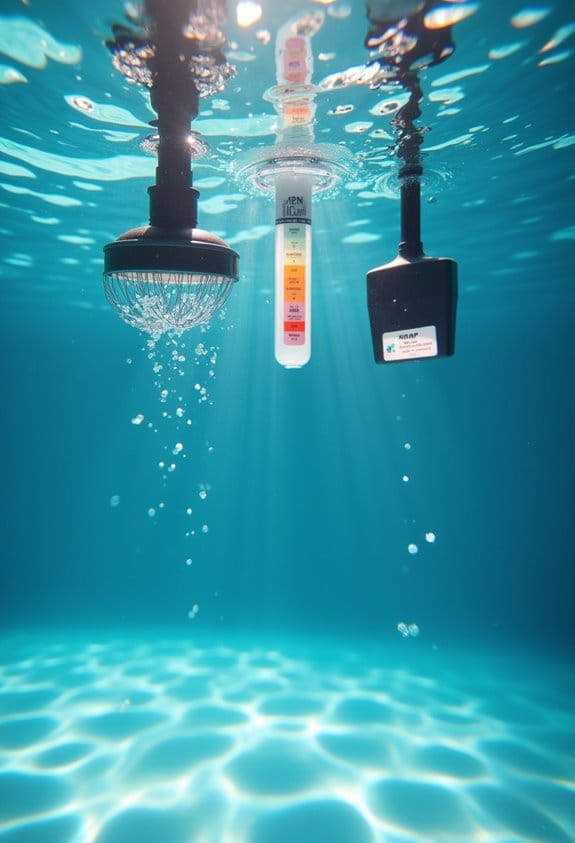
While swimming is often seen as an invigorating escape, the unseen science behind proper water chemistry is just as essential to a swimmer’s experience. Maintaining pH control within the 7.2-7.6 range keeps swimmers comfortable and guarantees effective chlorine levels, ideally between 1-3 ppm. Regular testing frequency—ideally once or twice a week—enables an accurate alkalinity balance of 80-120 ppm and calcium hardness between 200-400 ppm. Seasonal environmental effects can disrupt these delicate levels, requiring chemical adjustments that might feel a bit like playing a game of water chemistry chess. With proper sanitizer management, including shock treatments and reliable test kits, swimmers can enjoy a safe swimming environment while extending the lifespan of their pool equipment. Using durable swim gear designed to withstand chlorinated water can also help maintain performance and longevity. Regular water tests ensure that these parameters are maintained, so don’t let your pool become a chemical jungle!
Recommended Products

THIS KIT ONLY HAS MY GARDEN POOL AQUARIUM AND TERRARIUM TEST STRIPS FOR AQUARIUM TESTING, DOES NOT HAVE 4335 DISKS WHICH ARE REQUIRED FOR THIS DEVICE TO TEST AQUARIUMS PROPERLY. WE ONLY HAVE 4320 DISKS AND TEST STRIPS IN THE BUNDLE

Alkalinity Test Kit, P &T: 1 drop = 10 ppm as CaCO3 / 25 mL

Automatic Hourly Monitoring: Automatically tests your pool water every hour for continuous day-and-night monitoring. Generates clear water quality summaries and detailed reports, helping you stay informed and maintain balanced water with less routine effort
Pump and Filter Care
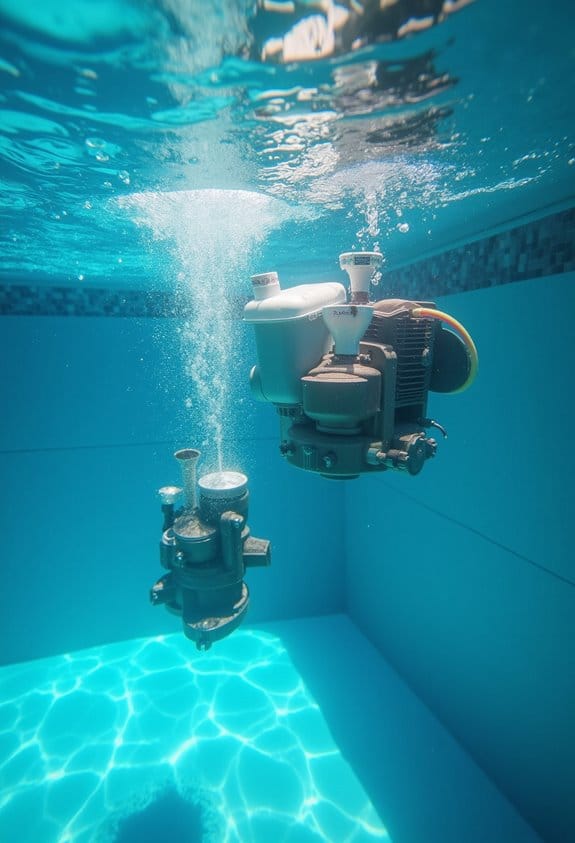
The care routines for swimming pool pumps and filters are as important as monitoring water chemistry. Regular maintenance guarantees peak filter performance and pump efficiency. For sand filters, backwashing is vital when pressure rises 8-10 psi above normal. A quick rinse after backwashing helps resettle the sand, making it ready for action. Cartridge filters benefit from rinsing every 2-4 weeks and deep cleaning monthly to handle stubborn debris. D.E. filters also require careful monitoring and fresh powder after backwashing. Additionally, accurate pressure gauge monitoring is essential for ensuring efficient filter function and prompt addressing of any pressure issues. Pump care demands vigilance too; regular checks of seals and weekly strainer cleaning prevent headaches later. Using durable equipment materials during maintenance can significantly extend the lifespan of your pool system. Remember, neglecting these routines can lead to more heartache—and debris—than a badly parked car at a drive-in movie!
Recommended Products

BUILT TO LAST: Titanium Heat Exchanger provides excellent salt water and chemical corrosion resistance, providing dependable performance no matter the environment.

COMPLETE SETUP - Includes everything you need to start swimming! Slide-lock resin A-frame ladder with barrier in taupe color, Widemouth Skimmer, 25 gauge overlap liner, 3 bags of Rx Clear Luster Filter Media and a sand filter system w/ pump.

COMPLETE SETUP - Includes everything you need to start swimming! Slide-lock resin A-frame ladder with barrier in taupe color, Widemouth Skimmer, 25 gauge overlap liner, 4 bags of Rx Clear Luster Filter Media and a sand filter system w/ pump.
Protection From Environmental Factors

Protection from environmental factors is essential for ensuring the longevity of swimming equipment. Implementing UV protection strategies can include using protective covers and applying UV-resistant sprays. Chlorine damage prevention is critical too; a quick rinse with freshwater after each use helps mitigate wear from harsh chemicals. For temperature regulation, avoid leaving gear in scorching hot cars or direct sunlight—these can turn your swim fins into floppy noodles. Moisture control methods, such as thoroughly drying items before storage and using moisture absorbers, thwart mold growth. Additionally, choosing silicone swim caps helps protect hair and equipment from chlorine damage during swimming. Finally, physical impact safeguarding involves keeping gear off the ground and away from abrasive surfaces. Additionally, integrating salt systems into your pool can reduce chlorine usage, which helps preserve the integrity of your swimming gear over time. With a little diligence, swimmers can protect their equipment and enjoy many splashes in the sun!
Timely Inspections and Minor Repairs
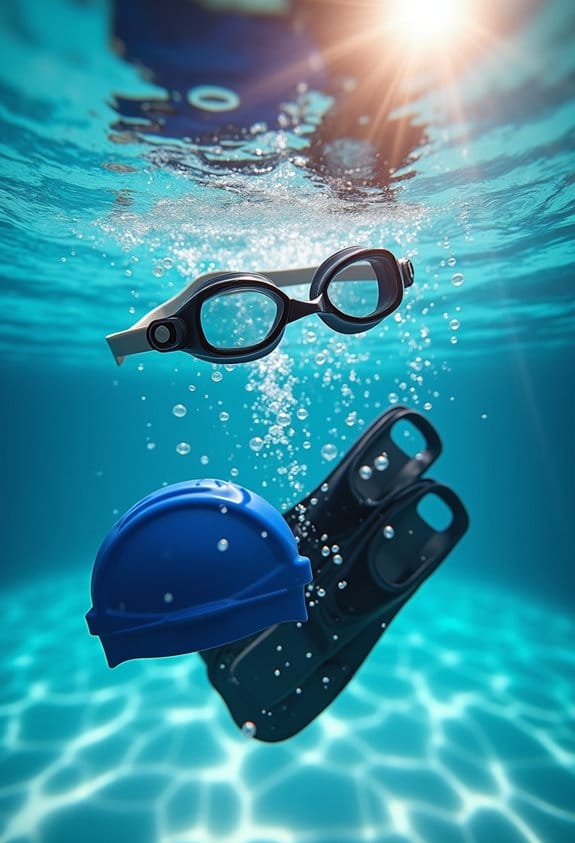
Ensuring ideal performance and longevity of swimming equipment hinges on timely inspections and minor repairs. Regular preventive maintenance not only keeps equipment functioning but also notably extends its lifespan. It’s crucial to establish an inspection frequency that covers all major components, from pumps to safety devices. A visual check can reveal cracks or corrosion before they become costly repairs. A routine evaluation of pool equipment can help identify potential safety hazards before they impact users. Paying attention to the humble filtration system? Clean those filters regularly—think of them as the equipment’s lungs! Minor repairs, like sealing cracks or tightening loose fittings, can prevent larger problems down the line. Using tools with waterproof features can also enhance durability during maintenance tasks. Keeping a log of inspections helps track equipment health, reminding owners that regular maintenance is much cheaper than major mishaps. After all, an ounce of prevention is worth a pound of cure!
Usage-Based Maintenance Adjustments
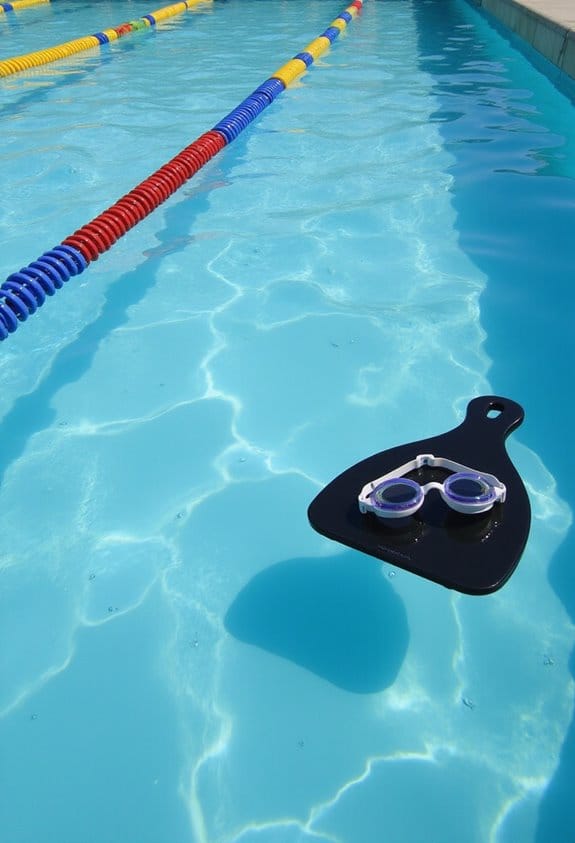
In the domain of swimming equipment, maintenance isn’t a one-size-fits-all scenario. Adjusting maintenance scheduling based on usage tracking is essential for extending equipment life. For instance, pool pumps and filters in high-usage settings require daily inspections, while weekly deep cleanings can prevent inefficiencies. Monthly filter cleanings—or more frequently in busy pools—are important to combat sediment buildup. It’s important to lubricate moving parts, like pump impellers, more often when they face wear from frequent use. Additionally, monitoring water chemistry becomes critical during peak activity to safeguard against chemical damage. Incorporating chlorine-resistant materials into equipment design can also help reduce degradation over time. By tailoring these practices, swimmers can keep their gear in peak shape, much like athletes adjusting training routines for best performance. Moreover, regular water quality tests ensure that the equipment functions effectively and lasts longer.
Ensuring Proper Equipment Storage
Proper storage of swimming equipment is akin to tucking away cherished heirlooms; it requires thoughtfulness and care to guarantee longevity. Effective storage organization begins with weatherproof cabinets or sheds featuring sturdy, lockable doors. Upgrading to UV-resistant materials prevents sun damage while ventilated sheds help manage moisture prevention. Utilize heavy-duty hooks and adjustable shelving to store items efficiently, keeping long-handled tools from warping. Additionally, clear, labeled bins streamline access to spare parts and test kits. For ideal moisture control, always dry equipment before storage and consider using silica gel packets in bins. Remember, a well-ventilated space allows airflow, combating that dreaded mildew, much like leaving a window open on a rainy day—keeping the air fresh and your equipment in top shape! Furthermore, maintaining temperature stability in your storage area ensures that equipment is not subject to harsh climate variations, which can significantly extend their lifespan. Including essential items like swim goggles and ear plugs in your organized storage ensures readiness and protection for your swimming sessions.
Recommended Products

Plastic Shed: Overall Dimension: 52.16 (W) x 28.34 (D) x 74.68 (H) inch; Internal Dimension: 48.43 (W) x 25.00 (D) x 72.20 (H) inch
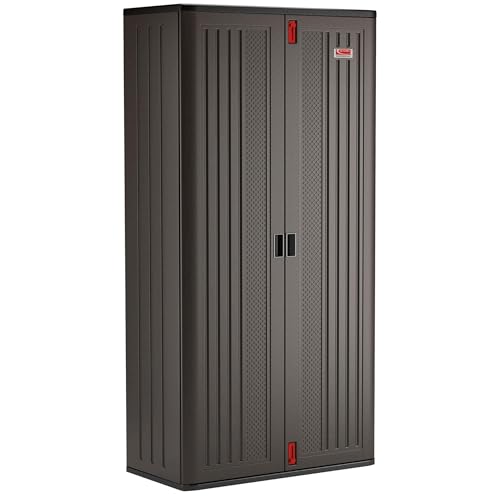
• Durable Cabinet: Storage cabinet made with state-of-the-art blow molding technology for enhanced strength and durability, ensuring long-lasting use and reliability

SECURE, LOCKABLE OUTDOOR STORAGE SHED. This large vertical outside storage shed features padlock-ready handles and a resin latch to keep tools, cushions, and gear safe from theft, kids, and animals. Designed for peace of mind in any outdoor space.
Selecting Quality Materials for Equipment
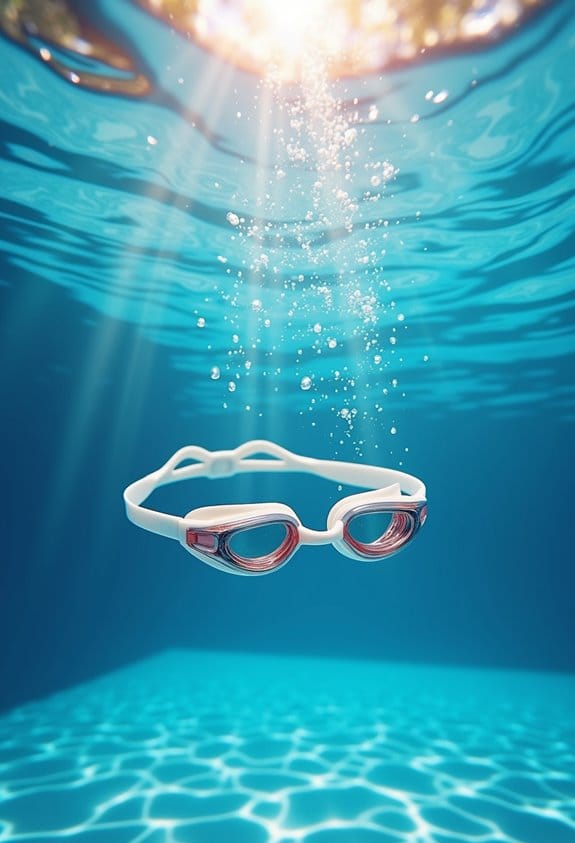
Selecting quality materials for swimming equipment can feel like starting on a treasure hunt, where the right choices lead to a bountiful payoff in durability and performance. Material selection greatly influences longevity and maintenance needs, with concrete pools lasting over 50 years if properly constructed. Conversely, vinyl liners, while less expensive initially, only last 8 to 20 years, costing more over time due to replacements every few years. Fiberglass stands out with minimal upkeep and lifespans exceeding 50 years, blending resilience with affordability. Additionally, choosing durable materials like premium silicone or PC plastic for your gear can prevent frequent replacements and enhance user comfort. Regular upkeep plays a crucial role in extending longevity and should be considered alongside material quality. Quality assurance in installation is paramount; craftsmanship affects all materials’ performances dramatically. Ultimately, investing in superior materials and workmanship guarantees your swimming equipment endures, just like that trusty pair of flip-flops you never want to throw away!
Recommended Products
COMPLETE SETUP - Includes everything you need to start swimming! Slide-lock resin A-frame ladder with barrier in taupe color, Widemouth Skimmer, 25 gauge overlap liner, 3 bags of “Rx Clear” Luster Filter Media and a 16” sand filter system w/ pump.

Package Includes:

RESIN COATED STEEL - This elegantly designed above ground pool features a super strong steel wall that has been hot dip galvanized for protection. The copper bearing steel wall is resin coated both on the inside and outside offering great protection against premature rusting while offering maximum longevity.
Monitoring and Managing Water Levels
Monitoring and managing water levels in a swimming pool is like keeping the Goldilocks principle in play—everything has to be just right. Automated sensors, like the LevelSmart™ Water Level Sensor, enable effortless maintenance by automatically refilling when levels drop. These nifty devices feature safety measures to prevent overfilling and waste, promoting water conservation. With extended wireless range up to 1,000 feet, constant monitoring guarantees ideal levels for equipment health. Frequent checks, every 30 minutes, help protect crucial components from damage, reducing costly repairs. Additionally, built-in alerts and smartphone integration keep pool owners informed of any issues. This innovative tech turns an essential task into a seamless experience, making pool care feel less like a chore and more like a breeze. Proper water level management also helps maintain the durability of aquatic equipment, ensuring long-lasting performance and resistance to chlorine and UV damage.
Educating Users on Best Practices
While one might think pool equipment is resilient enough to last through the seasons, failing to educate users on best practices can lead to expensive headaches faster than a swim meet’s starting gun. Proper maintenance training is essential for extending equipment lifespan. Regular inspections for rust or wear should be routine, much like checking a watch before a big event. Conducting routine visual checks allows users to identify issues early, preventing costly replacements. Users should be equipped with knowledge on cleaning protocols, such as rinsing pump housings and checking skimmer baskets multiple times a week. Understanding how to store lane lines and pool covers appropriately keeps them in top shape. Using reusable and washable materials for equipment can also contribute to sustainability and durability over time. With mindful care, the longevity of swimming gear can improve, preventing costly repairs and ensuring a safe, enjoyable swimming experience—like giving every swimmer wings!
Frequently Asked Questions
How Often Should I Replace Old Swimming Equipment?
Swimming equipment should be replaced according to frequency guidelines, as wear varies based on usage and environmental conditions. For instance, filters may require replacement every 1 to 5 years, depending on specific type and maintenance.
What Are Signs That My Equipment Needs Replacing?
Signs indicating that equipment needs replacing include visible wear indicators like cracks, leaks, and corrosion. Aging components jeopardize equipment longevity and efficiency, leading to increased maintenance demands and potential safety hazards.
Can DIY Repairs Extend Equipment Lifespan Effectively?
DIY repairs can effectively extend equipment lifespan through proper repair techniques and diligent equipment maintenance. While some may fear improper repairs, undertaking small fixes proactively can prevent major issues, ensuring more efficient performance and durability.
How Can Seasonal Changes Affect My Swimming Equipment?
Seasonal changes greatly affect swimming equipment. Temperature fluctuations can lead to freezing or overheating issues, while varying humidity levels may contribute to equipment deterioration. Proper maintenance is essential to mitigate these risks and guarantee longevity.
Is It Worth Investing in Premium Equipment Materials?
Investing in premium materials is worthwhile, offering long-term benefits such as enhanced durability, reduced maintenance costs, and longer equipment lifespans. This approach minimizes replacement frequency, ensuring better performance and increasing overall value over time.


